
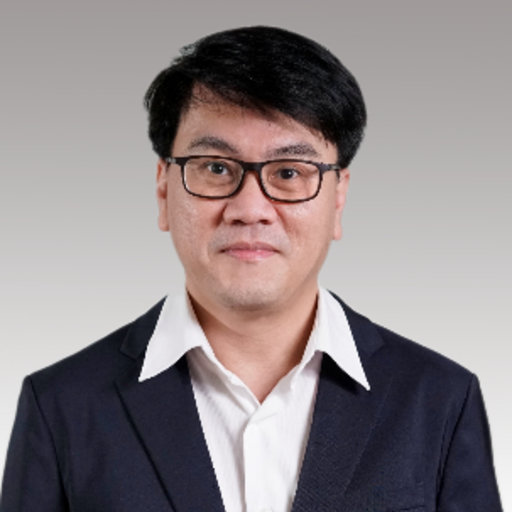
 Advancing clean energy and environmental sustainability increasingly depends on how effectively materials can be engineered to respond to real-world challenges. At the National Taiwan University of Science and Technology (NTUST), Dr. Hairus Abdullah is contributing to this effort through research that bridges fundamental materials science with practical energy and environmental applications.
A Foreign Project Assistant Professor in the Department of Materials Science and Engineering, Dr. Abdullah is recognized among the world’s Top 2% of scientists. His work focuses on photocatalysis and energy systems, developing materials capable of converting light into usable energy, enabling hydrogen production, and breaking down environmental pollutants. By integrating photocatalytic and electrocatalytic approaches, his research connects clean energy generation with environmental remediation, offering pathways toward more sustainable chemical and energy processes.
At NTUST, this work is strengthened by an environment designed for continuity and collaboration. International scholars are not positioned as short-term contributors, but as integral participants in long-term research agendas. Through interdisciplinary engagement and alignment with Taiwan’s scientific and sustainability priorities, the university supports research that evolves beyond isolated results into sustained, real-world impact.
In this interview, Dr. Abdullah reflects on his research journey, explains his work, and shares his perspective on the role of international scholars in shaping future scientific innovation.
Q: What inspired you to pursue research in this field?
My interest began with a curiosity about how materials can be engineered to address real-world challenges, particularly in energy and environmental sustainability. Over time, I became more focused on photocatalysis and hydrogen energy because they offer promising pathways toward clean and renewable solutions.
What continues to motivate me is the idea that materials are not passive, they can actively contribute to solving global problems, from reducing pollution to generating clean fuel.
Q: How would you explain your research to a non-expert?
In simple terms, my research is about designing materials that can use light energy to perform useful tasks.
For example, we develop materials that can use sunlight to produce hydrogen fuel from water or break down harmful pollutants in the environment. These processes can help create cleaner energy systems while also improving environmental quality.
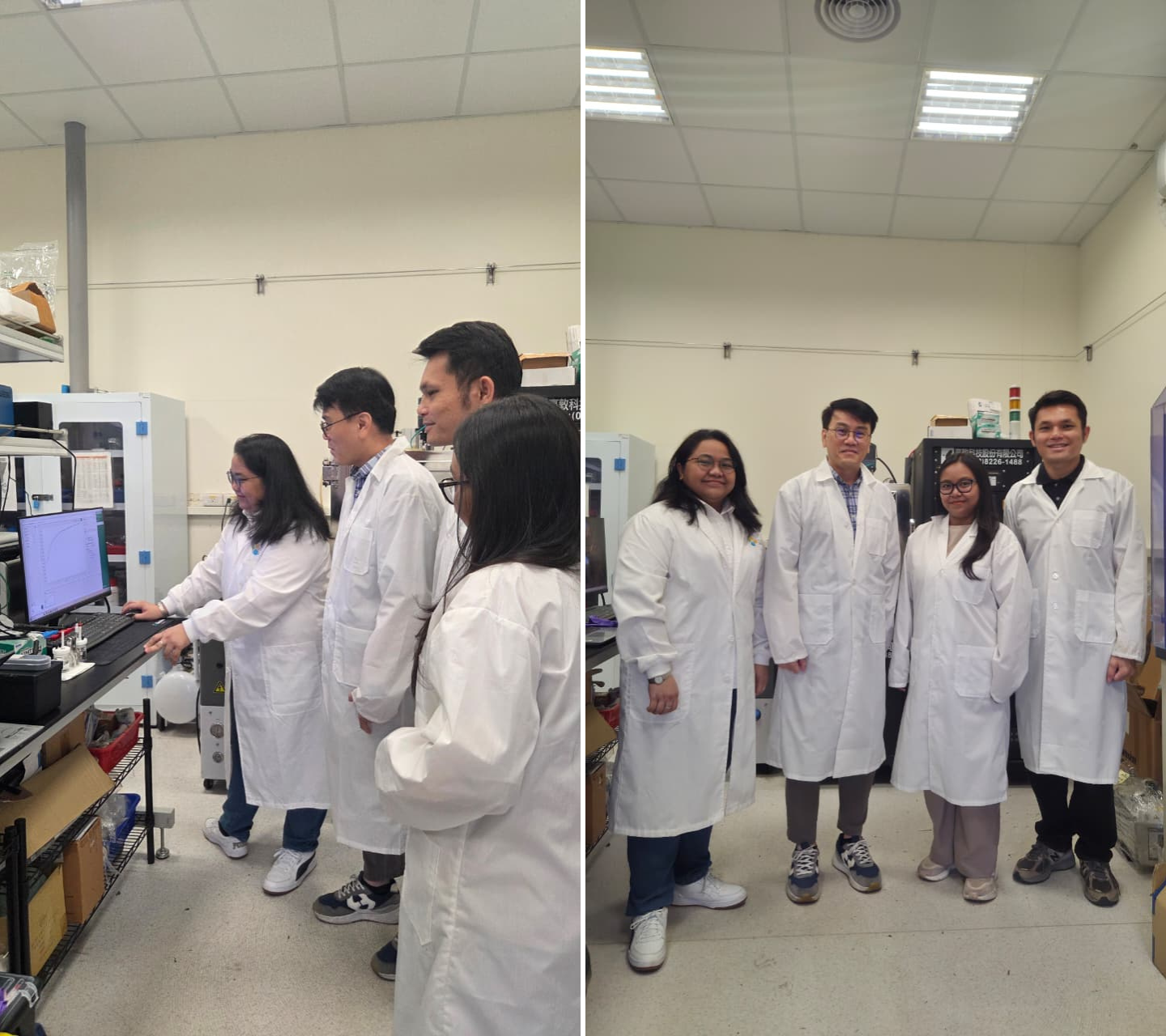
The Team.
Q: What are the key areas your research focuses on?
My research brings together several closely related areas, including light-driven hydrogen production, degradation of pollutants using UV and visible light, antibacterial applications, and electrocatalytic systems for water splitting and energy conversion. I also explore energy storage technologies such as supercapacitors.
Rather than treating these as separate topics, I approach them as interconnected challenges within the broader goal of building efficient, scalable, and sustainable energy and environmental solutions.
Q: How has NTUST supported your research and development?
NTUST provides a highly collaborative and well-resourced environment. Access to advanced laboratory infrastructure, along with opportunities to work across disciplines, particularly between materials science, chemistry, and energy systems, has been essential to my research.
Equally important is the sense of continuity. As an international scholar, I am able to contribute to long-term research directions rather than only short-term projects. This allows ideas to develop more fully and produce outcomes with greater impact.
Q: Your work is closely tied to sustainability. How does it contribute to real-world impact?
Energy and environmental challenges require solutions that are both effective and practical. My research focuses on developing materials and systems that can convert renewable energy into usable forms, such as hydrogen fuel, while also addressing pollution.
The aim is to move beyond laboratory-scale success and contribute to technologies that can be applied in real-world contexts, supporting long-term sustainable development.
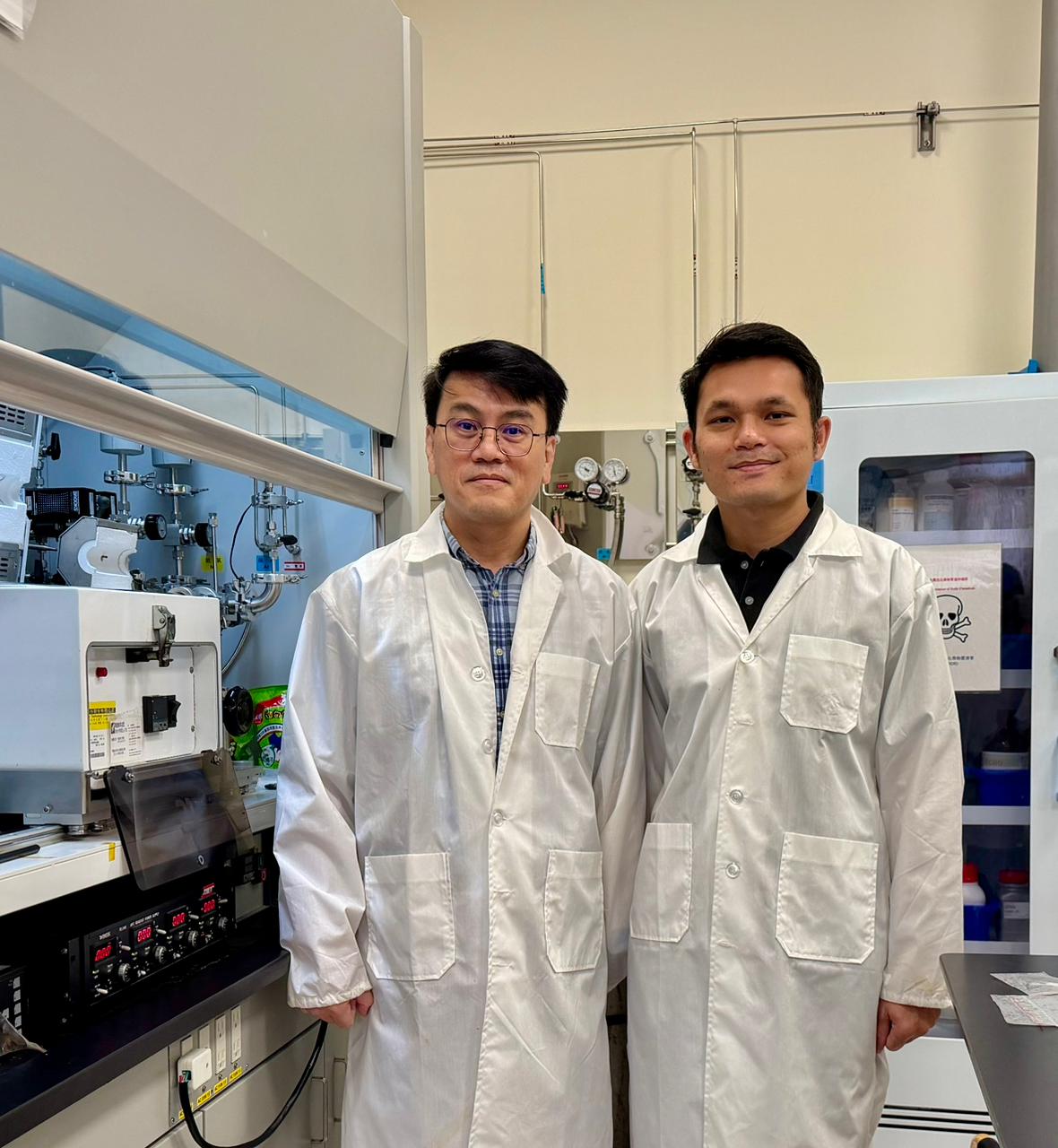
Prof Hairus and his Student.
Q: What challenges have shaped your research direction?
One of the main challenges is developing materials that are not only efficient but also stable under real-world conditions. Scalability is another important factor, ensuring that what works in the laboratory can be translated into practical applications.
These challenges have encouraged me to focus more on application-oriented research and to collaborate with other researchers to strengthen both the technical and practical impact of the work.
Q: As an international scholar, what has your experience been like at NTUST?
NTUST offers an environment where international scholars are fully integrated into the academic community. There is strong institutional support, and collaboration is actively encouraged.
What stands out to me is that international researchers are not treated as external contributors, but as part of the university’s long-term research ecosystem. This creates a sense of belonging and allows for more meaningful and sustained contributions.
Q: Why does this kind of research environment matter for international scholars?
For researchers working across borders, success depends on more than access to facilities or funding. It depends on being part of a system where research can develop over time, where collaboration is consistent, and where there is a shared sense of purpose.
At NTUST, this kind of environment enables researchers to build momentum, deepen partnerships, and align their work with both local priorities and global scientific challenges.
Q: What advice would you give to students and early-career researchers?
Focus on research that addresses real-world problems, and remain open to collaboration. At the same time, continue developing skills that are relevant to emerging fields, especially those related to sustainability and advanced technologies.
Research today is a collective effort, and meaningful impact comes from contributing to something larger than individual achievement.
Looking Ahead: Sustaining Impact Through Collaboration and Continuity
As global competition for academic talent continues to grow, NTUST reflects an evolving model of international research engagement, one that emphasizes not only excellence in output, but also the strength of the environment in which research is developed.
Through the work of scholars like Dr. Hairus Abdullah, this model becomes tangible. His research demonstrates how sustained support, interdisciplinary collaboration, and alignment with real-world challenges can translate scientific inquiry into meaningful impact.
In this context, international scholarship is not simply about mobility, it is about integration, continuity, and shared purpose. It is this convergence that allows research to move beyond the laboratory and contribute to solutions that are both locally grounded and globally relevant.