
At the intersection of advanced materials science and sustainable engineering, Chechia Hu is shaping what catalytic innovation can achieve in a world urgently seeking cleaner energy and smarter resource use. Recognized among the world’s Top 2% of scientists, his work reflects both scientific depth and societal purpose.
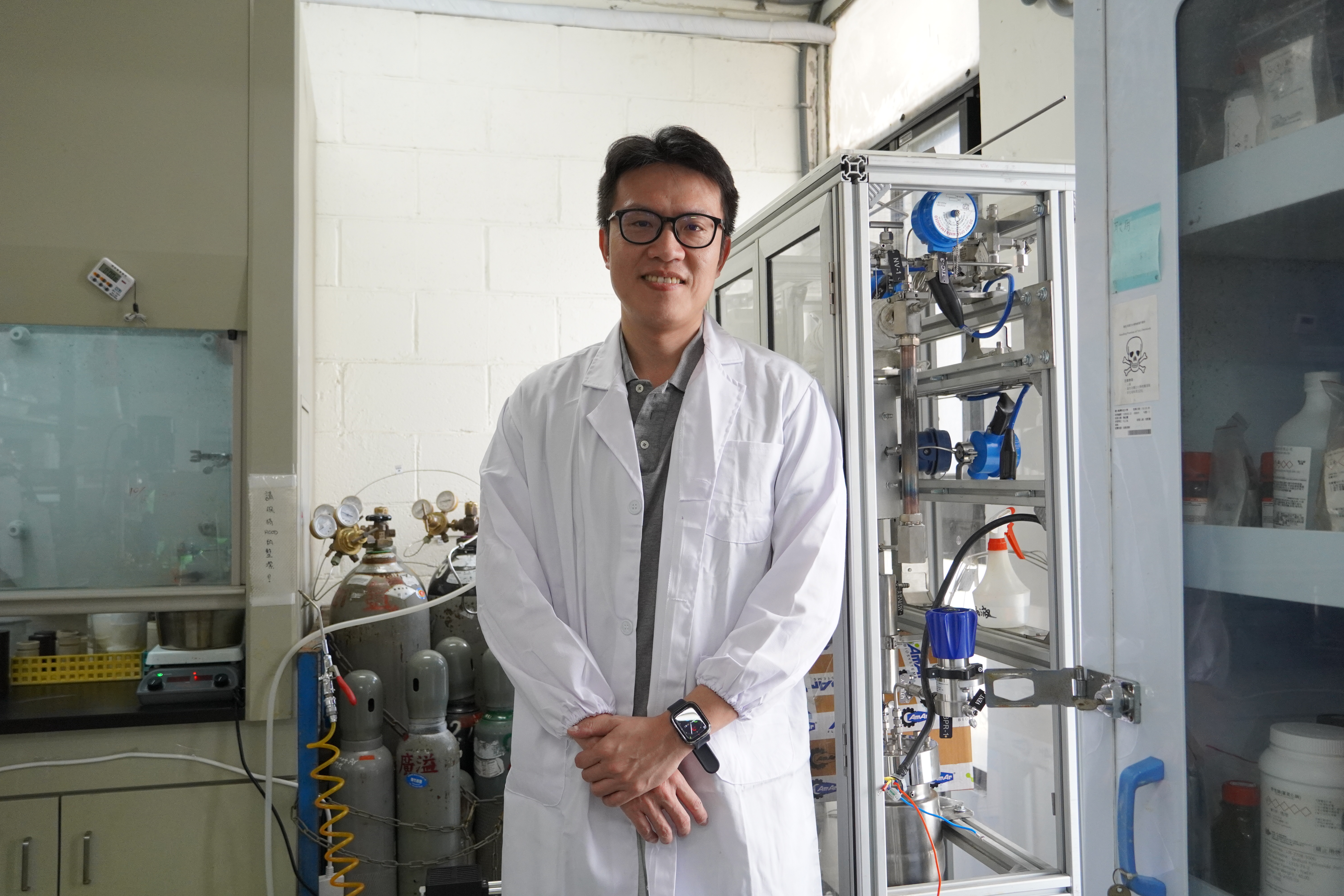
Professor Chechia Hu, Department of Chemical Engineering, National Taiwan University of Science and Technology.
Q:What defines Prof. Hu’s research vision?
Professor Hu’s work is guided by a simple yet powerful conviction: environmental challenges are not constraints; they are catalysts for transformation. His research focuses on designing advanced catalytic materials that enable cleaner chemical processes, renewable energy production, and resource recovery. By merging materials science with sustainable engineering, he positions catalysis as a strategic tool for global environmental solutions.
Q:Which global challenges does his research address?
His scholarship spans photocatalysis, electrocatalysis, thermal catalysis, and advanced carbon-based materials, including metal–organic frameworks (MOFs). Within these domains, his laboratory tackles some of the world’s most urgent priorities:
These innovations extend beyond laboratory discovery. They align with net-zero ambitions and circular economy principles, offering pathways toward scalable and practical environmental technologies.
Q:What distinguishes his laboratory’s scientific approach?
A defining strength of Professor Hu’s research lies in integrating material design with engineering functionality. His team demonstrates how tailoring intrinsic and extrinsic catalyst properties can significantly enhance efficiency, selectivity, and durability.
Recent high-impact publications in leading journals such as Chemical Engineering Journal and Journal of Membrane Science highlight breakthroughs including:
Together, these contributions position his laboratory at the forefront of next-generation environmental catalysis and sustainable materials engineering.
Q:How does Taiwan Tech support this innovation ecosystem?
At Taiwan Tech, interdisciplinary thinking, advanced infrastructure, and real-world relevance naturally converge. The university provides cutting-edge laboratories, translational research support, and strong industry partnerships. Strategically positioned at the nexus of academia, industry, and global collaboration, Taiwan Tech empowers researchers to move from fundamental discovery to scalable technological impact.
Here, sustainability is not simply a research theme; it is embedded in institutional vision, resources, and partnerships.
Q:What is the broader impact of Professor Hu’s leadership?
Beyond publications and metrics, Professor Hu’s influence is deeply human. Researchers in his group engage with advanced characterization tools, interdisciplinary collaboration, and industry-relevant challenges. They graduate not only as skilled scientists, but as globally minded innovators.
His guiding philosophy, "The beauty of a catalyst lies in engineering its intrinsic and extrinsic properties", captures the elegance and practicality that define his scientific leadership.
An Invitation to Collaborate
Graduate students, postdoctoral researchers, visiting scholars, and industry partners are warmly invited to engage with Professor Hu’s research group and the broader Taiwan Tech community. Whether through joint research, academic exchange, funded study, or interdisciplinary collaboration, multiple pathways exist to contribute to meaningful innovation.
The next breakthrough in sustainability may well begin at Taiwan Tech, and with a single conversation.
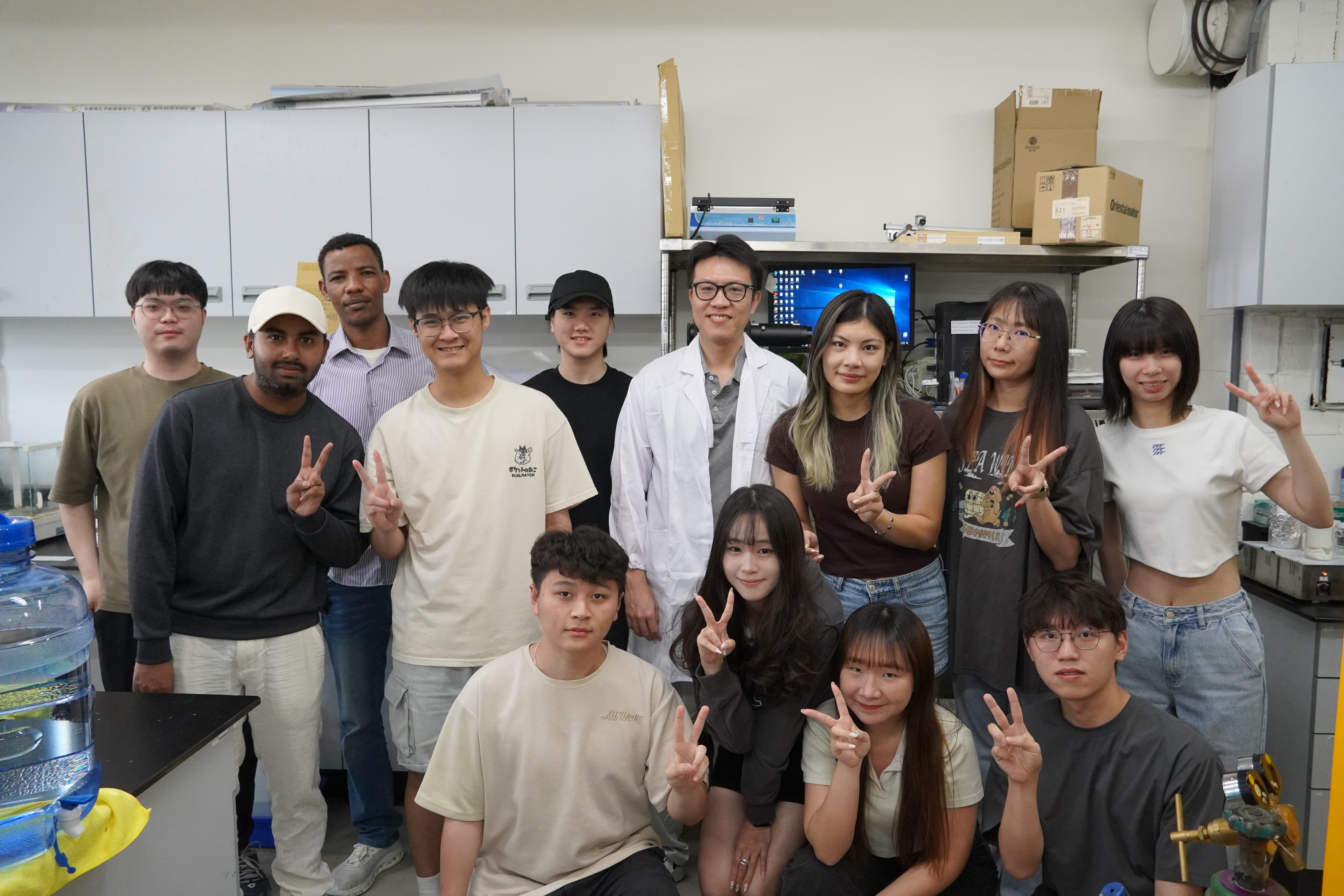
Advanced Catalytic Materials lab.