
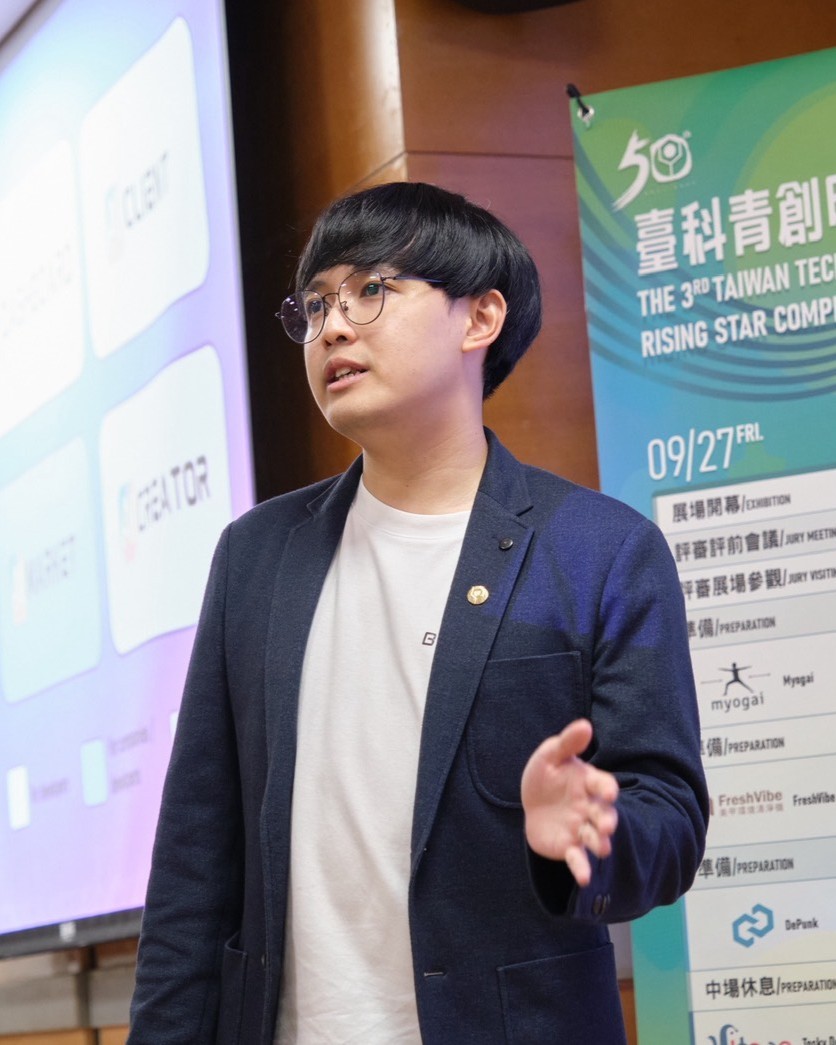
Born and educated in Surabaya, Indonesia, Ikhwan Iqbal (Chinese name TAN Li) studied Mathematics at Institut Teknologi Sepuluh Nopember (ITS), completing his undergraduate degree in 2016. He later moved to Taiwan to pursue a Master’s degree in Electronic and Computer Engineering at National Taiwan University of Science and Technology, graduating in 2019. From 2017 to 2019, he worked as a research engineer at Taiwan’s renowned Industrial Technology Research Institute (ITRI).
Now based between Japan and Indonesia, he is the Co-Founder and CEO of Boring AI and the Founder and CEO of Orico, leading ventures in artificial intelligence and technology.
What motivated you to move from Indonesia to begin your studies at Taiwan Tech?
I come from a mathematics background and have always been drawn to algorithms and problem-solving through numbers. At the same time, I wanted to explore more applied areas such as AI in engineering. Taiwan Tech stood out to me because of its strong reputation for combining solid research with close industry connections. I felt that studying in Taiwan would give me exposure to both the academic and practical sides of the field.
I also remember one misunderstanding with a professor when I said that a project was “not finished yet.” He became quite angry because he understood it to mean that I had not done anything. In reality, the project was already about 80 percent complete, but we had interpreted the situation very differently. Experiences like that taught me the importance of clear communication and managing expectations in an international academic environment.
What stands out the most when you think about your time on campus?
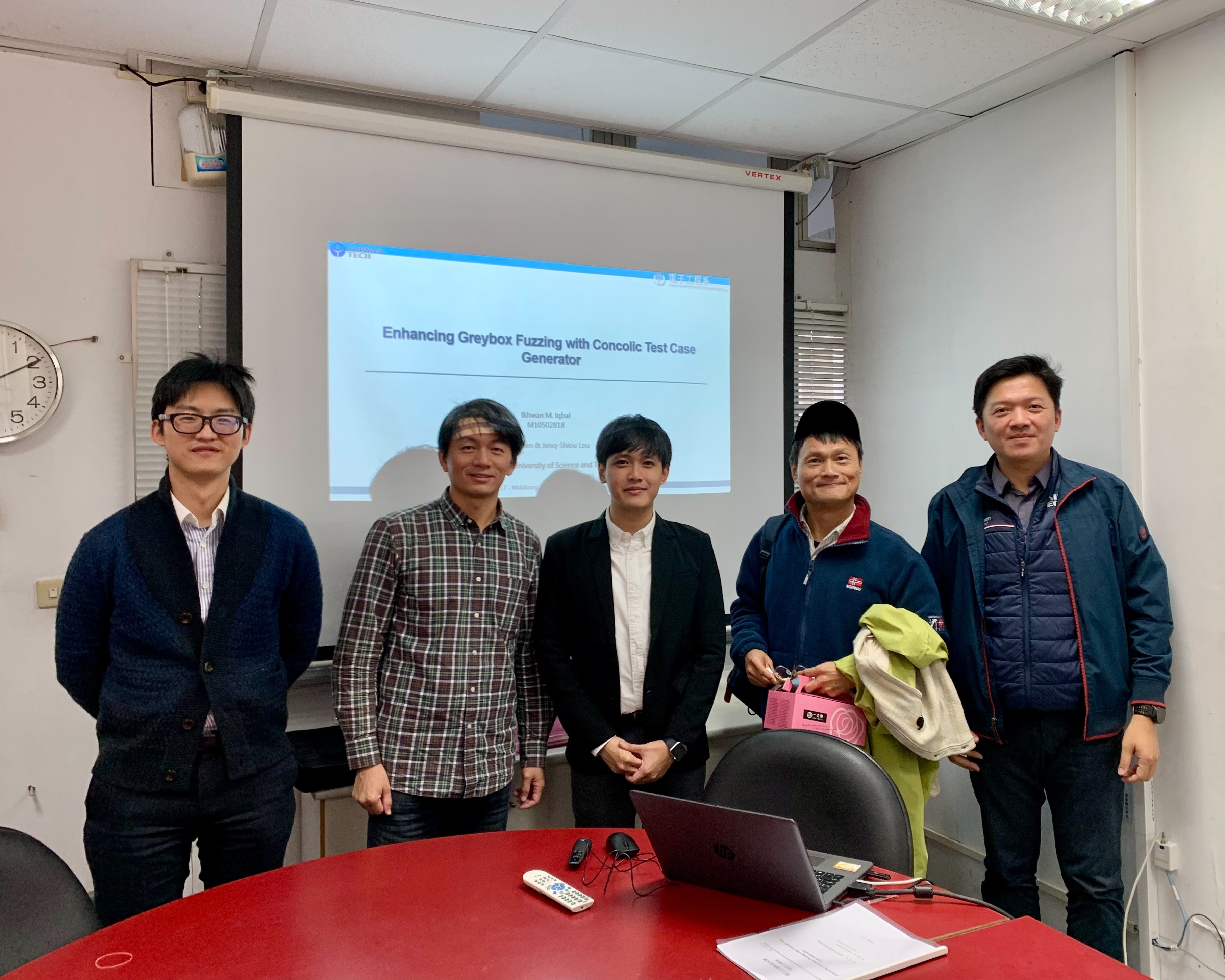
I was very fortunate to meet dedicated mentors such as Professor CHEN Po-Ki and Professor LEU Jenq-Shiou from the Department of Electronic and Computer Engineering at Taiwan Tech. Professor CHEN was also the one who connected me with the Industrial Technology Research Institute (ITRI), where I worked as a research engineer from 2017 to 2019. They believed in my ideas and projects from the beginning and encouraged me to participate in startup competitions.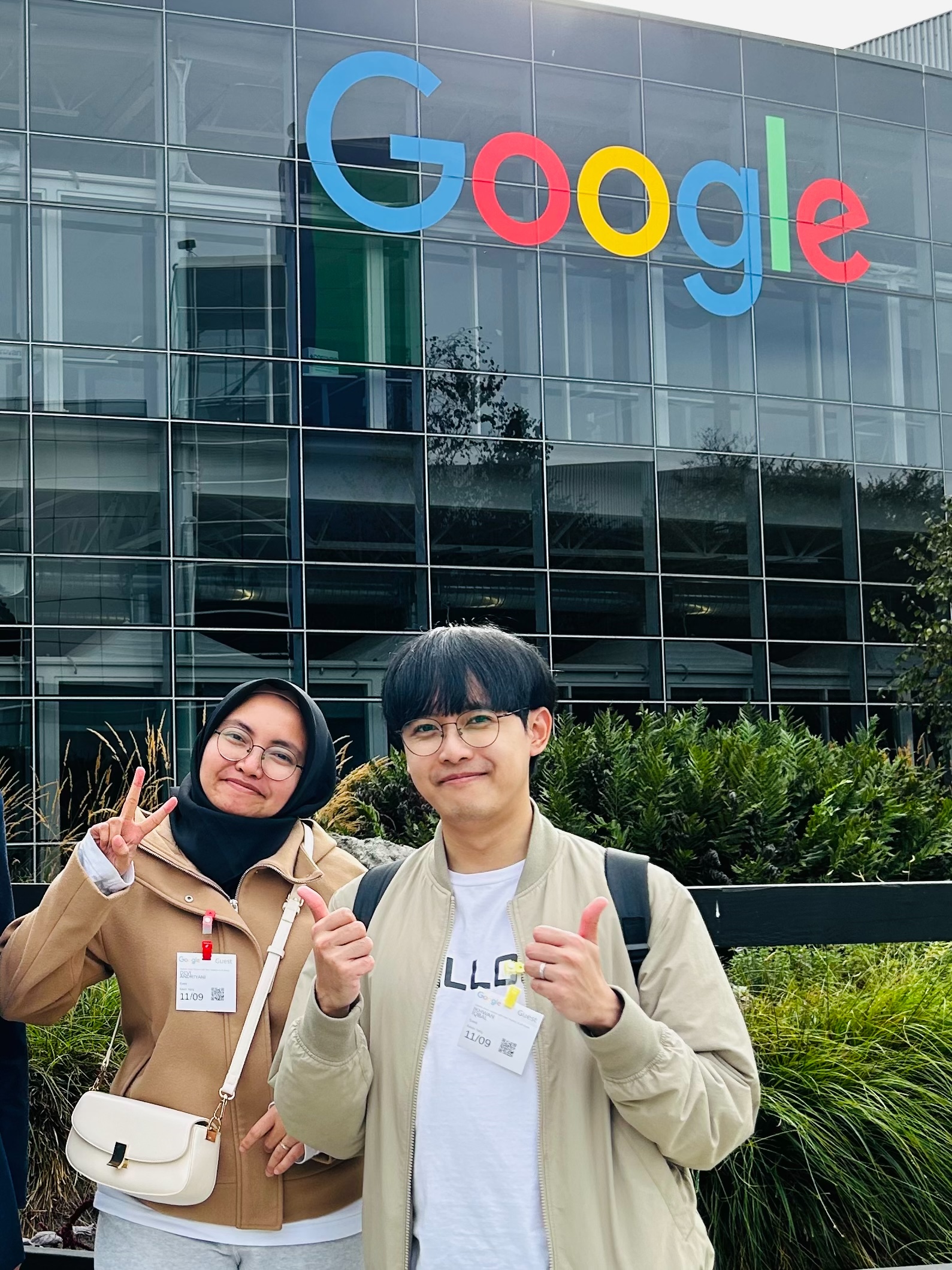
One of my proudest memories was winning the Taiwan Tech Silicon Valley competition with Elefindr, a healthcare chatbot designed to assist foreign residents in Taiwan when visiting clinics and hospitals. The award gave me the opportunity to travel to Silicon Valley in the United States, which was an unforgettable experience.
After that, I continued participating in startup competitions with Boring AI, a project I developed with other students during my master’s studies. Boring AI is an AI-driven automation platform that helps businesses quickly identify potential clients, candidates, and partners.
What happened after graduation? Did you enter industry or move directly into startups?
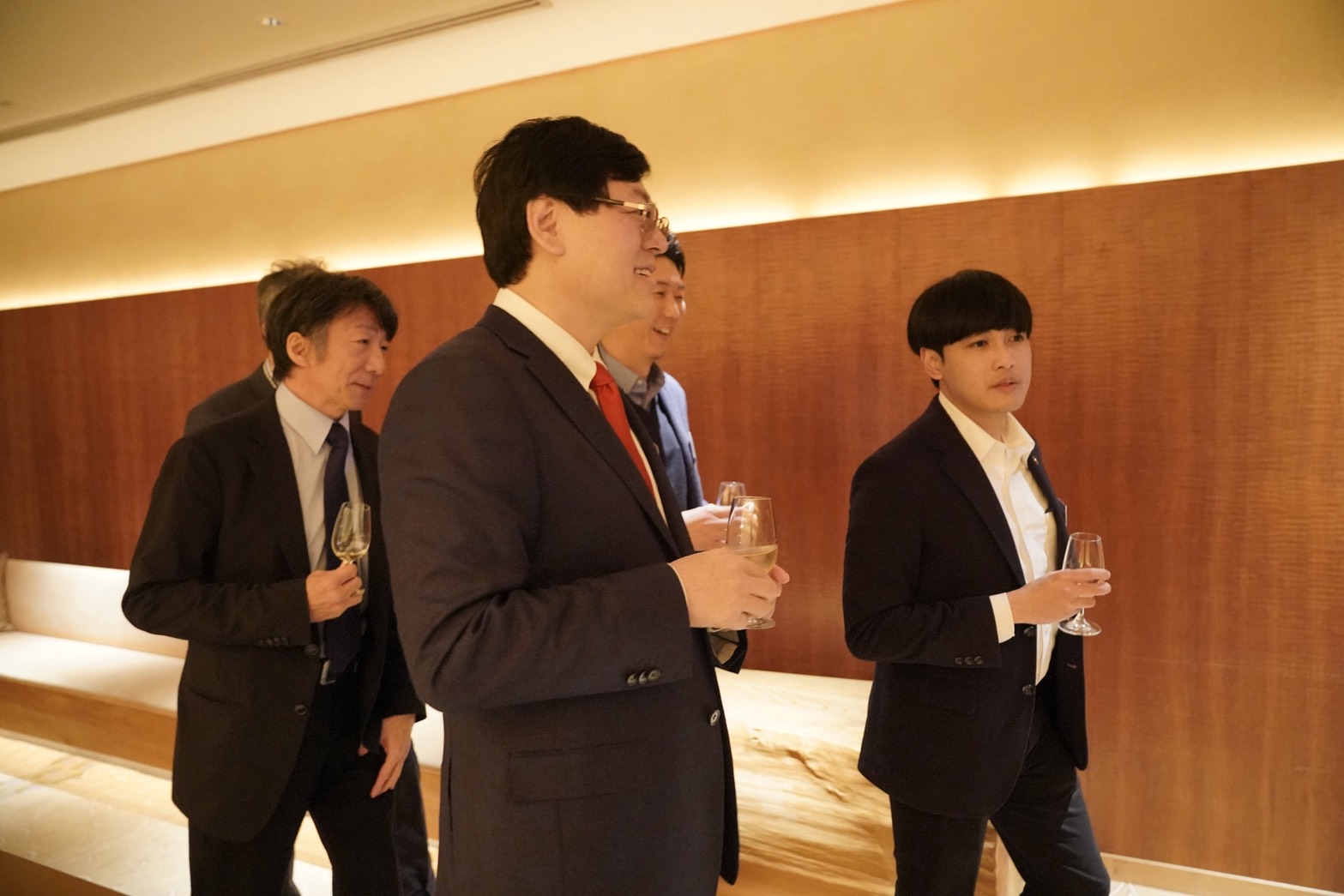
After graduating in 2019, I initially considered pursuing a PhD. In the end, however, I decided to enter industry after receiving an offer from Lenovo Japan. I worked in the ThinkPad division from 2019 to 2022, starting as a research engineer before being promoted to a managerial role after one year.
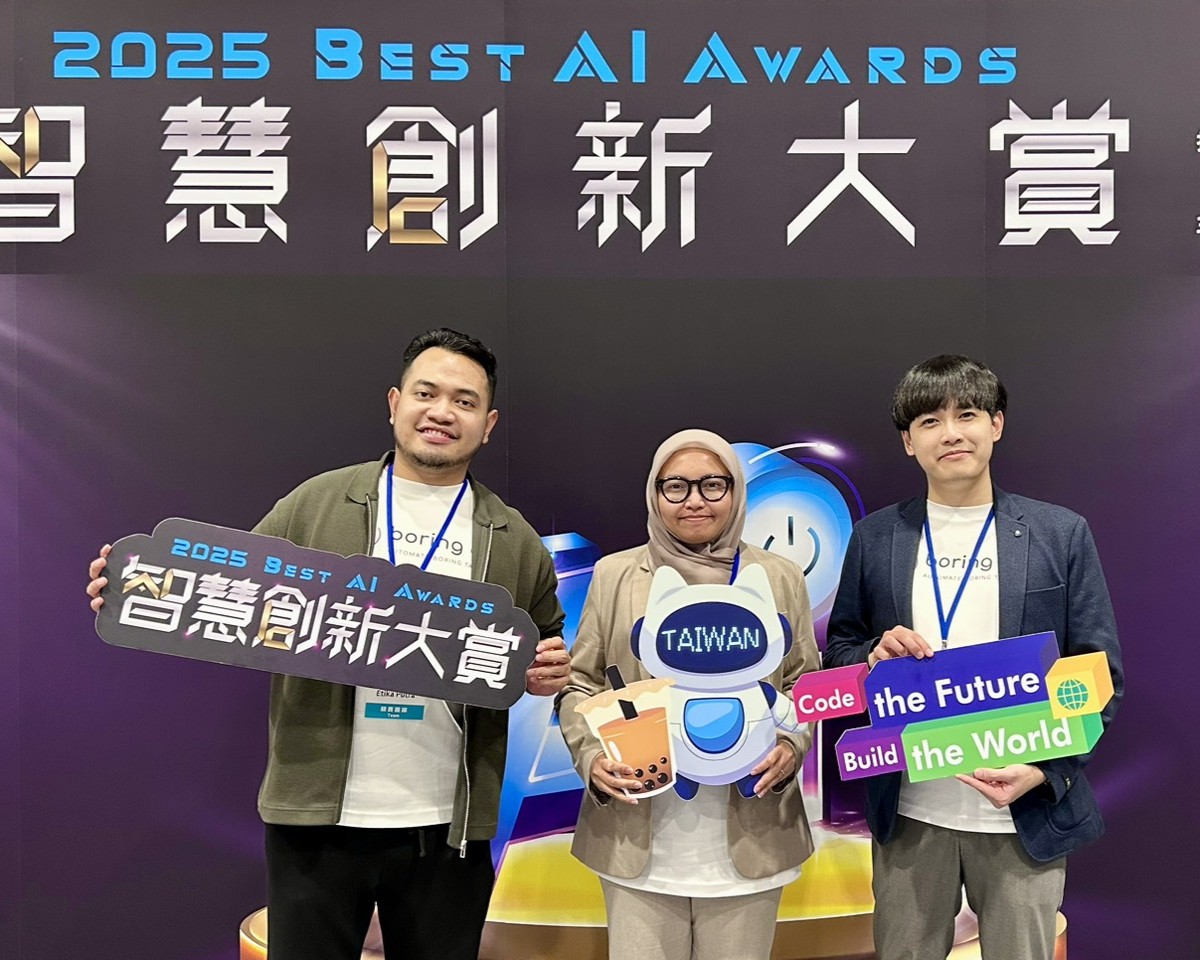
After gaining experience at Lenovo, I decided to start building my own company in Japan. At the same time, I continued participating in startup competitions in Taiwan as a Taiwan Tech alumnus. In 2025, our team successfully took part in several programs and competitions, including U-Start, Taiwan Tech Rising Star, and the Global Talent Entrepreneurship Program, winning multiple first and second prizes as well as grants and substantial prize funding.
Boring AI was eligible to participate in these Taiwan Tech and Ministry of Education programs because the competitions only required a certain number of team members to be currently enrolled students. The remaining members could be alumni, students from other universities, or partners based outside Taiwan.
How did your experience in Taiwan influence your decision to start your own company?
A large part of my motivation and confidence to start my own business comes from my time at Taiwan Tech. My professors were very open-minded and encouraged us not to focus too narrowly on our research topics. They often said, “You never know how things will evolve in the future, so don’t limit yourself—keep learning and explore new areas.”
Following that advice, I started working on small side projects while I was still a student, mainly for practice. These experiences taught me how to develop ideas into products, work with teams, and understand how to approach funding—whether from private investors or government programs.
What does a typical day look like for you as a founder?
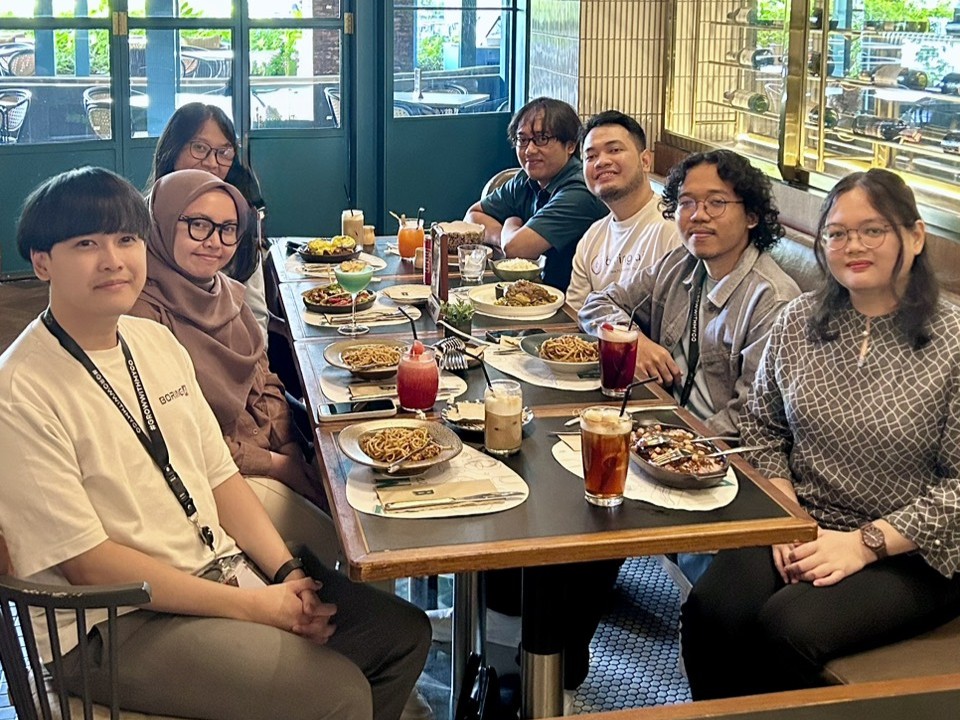
I currently lead two companies, Boring AI and Orico, with around 26 employees across several countries, mainly Japan, Indonesia, and the Philippines. Orico is an AI consulting firm that helps businesses apply AI, data, and IoT solutions to solve complex problems, improve decision-making, and enhance operational efficiency.
My time is split between these different locations, which means a great deal of travel. The first year was very exciting, but I quickly became used to a highly mobile lifestyle. Flying has become routine now—I often fall asleep on the plane, and when I arrive in Japan it already feels familiar. I go straight home, say hello to my neighbors, and then rest. It has simply become part of my normal rhythm of life.
What’s your advice for international students in Taiwan?
I would share three main pieces of advice.
First, go beyond your lab or field of study. Taiwan has a strong startup and technology ecosystem, and it is worth taking the opportunity to explore it and get involved beyond your core research.
Second, embrace the international community. I made many friends from countries like the Philippines and Vietnam, and those connections later helped me expand my business into the Philippines.
Finally, apply widely—to grants, awards, programs, and competitions. The worst outcome is a “no,” but every application is a chance to learn and grow.
What’s your “golden rule” for starting a business after graduation?
Try as many paths as possible when developing your idea and seeking funding. In many ways, it’s a numbers game—the more you try, the higher your chances of success. If you don’t try at all, you eliminate the opportunity entirely.
Even if you try ten times and fail nine, that still means one success—and that one matters. The nine failures are just part of the process and shouldn’t hold you back.
At the same time, stay focused on what you want to build over the next five years. If you cannot see yourself committing to an idea for that long, it may be better to rethink it early rather than continue until it becomes a burden or leaves you feeling stuck.