
To help Taiwan's communications industry strengthen its capabilities in next-generation wireless technologies, Taiwan Tech hosted the “Next-Generation Wireless Communication Testing Forum” on April 17. The forum invited leading industry experts to share the latest developments and practical experience in next-generation wireless communication testing technologies and real-world applications. The event aimed to support Taiwan's alignment with international testing standards and certification systems while strengthening the competitiveness and growth of the domestic communications industry.
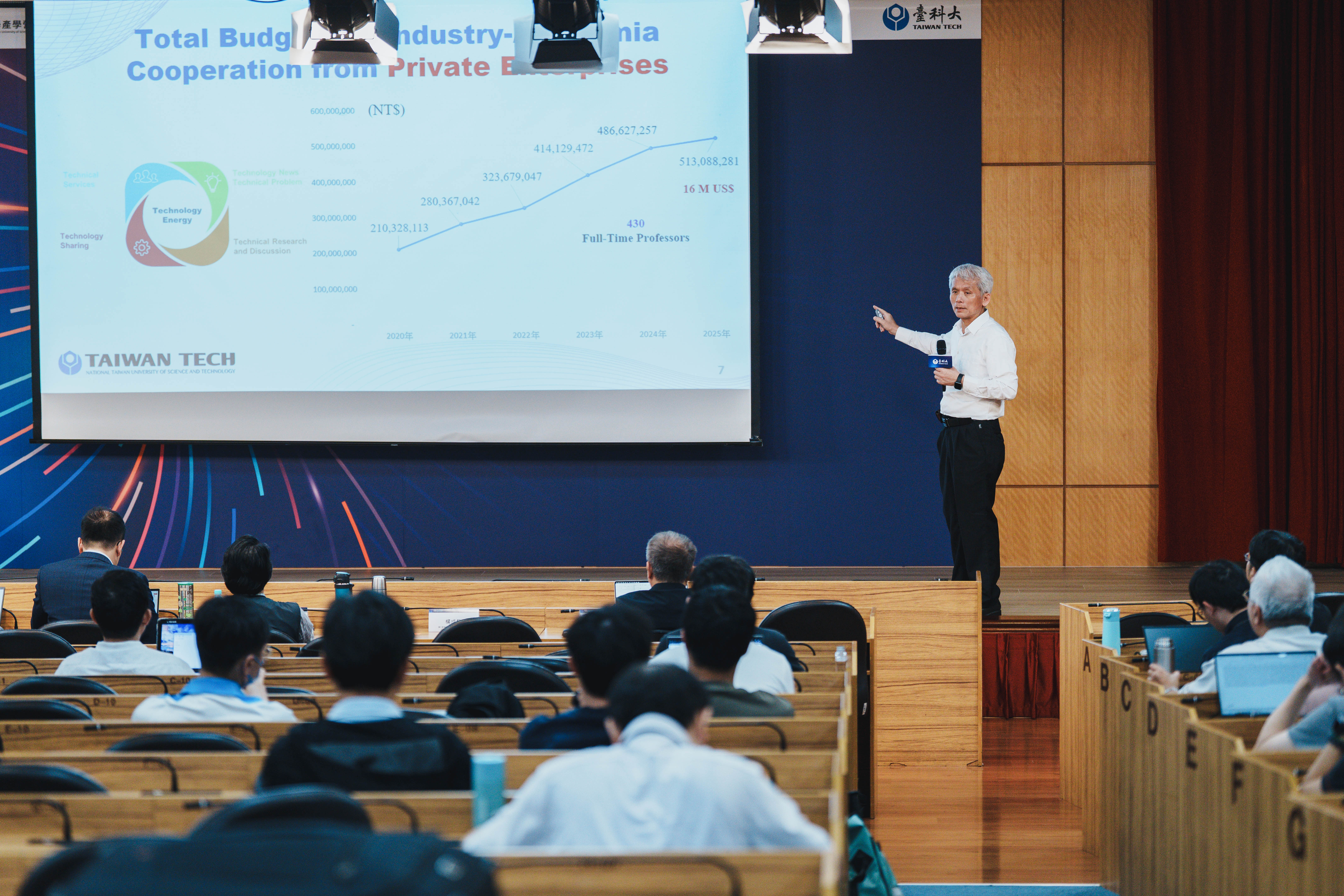
Distinguished Professor Chang-Fa Yang of the Department of Electrical Engineering, Vice President for the Office of Industry-Academia Collaboration, and Director of the Wireless Communication and Electromagnetic Compatibility Technology Research Center at Taiwan Tech, presents the university's anechoic chamber for antenna and scattering measurements and its latest research achievements.
Professor Chang-Fa Yang noted that Taiwan Tech established the Wireless Communication and Electromagnetic Compatibility Technology Research Center in 2003. Since then, the university has invested more than US$5 million in the center while actively promoting industry-academia collaboration. Today, the center operates multiple microwave and millimeter-wave anechoic measurement chambers, providing antenna testing across frequencies ranging from 100 MHz to 95 GHz. This comprehensive frequency coverage makes it one of the few academic facilities in Taiwan equipped with a high-specification measurement environment spanning such a broad spectrum. Looking ahead, Taiwan Tech will continue strengthening collaboration with industry to help Taiwan's communications sector maintain a competitive edge in the global market.
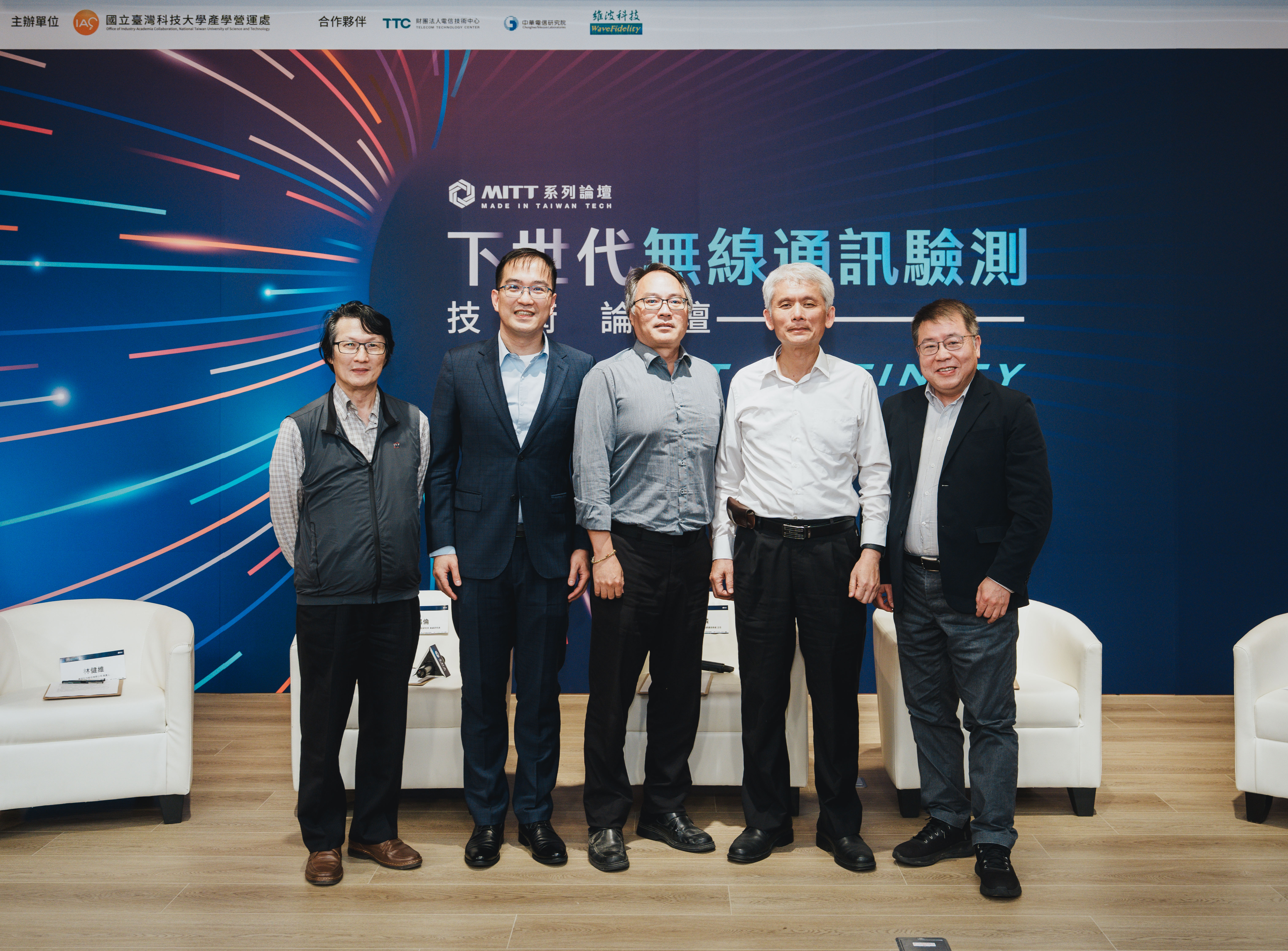
The forum brought together representatives from the fields of wireless communications, telecommunications services, and antenna testing. From left to right: Chien-Wei Lin, Co-founder and CEO of Wave Fidelity Inc.; Chang-Lun Liao, Senior Researcher at the Wireless Communications Research Institute, Chunghwa Telecom Laboratories; Tso-Lin Kuo, Director of the Testing and Networking Technology Division at the Telecom Technology Center (TTC); Chang-Fa Yang, Vice President for Industry-Academia Collaboration at Taiwan Tech; and Yi-Ping Huang, Deputy General Manager of DIGITIMES.
As countries around the world accelerate the development of 6G communications, demand for advanced testing and validation technologies is increasing rapidly. Technologies such as Over-the-Air (OTA) testing, near-field measurements, Compact Antenna Test Range (CATR), and bistatic radar cross-section (Bistatic RCS) measurements have become increasingly important. According to regulations issued by Taiwan's National Communications Commission (NCC), seven testing items are required for satellite earth station operating frequency bands, including frequency stability, antenna elevation angle, off-axis antenna gain, and equivalent isotropically radiated power (EIRP) density. Several of these tests must be conducted using OTA measurement techniques.
Professor Yang explained that Taiwan Tech has developed three major testing platforms to support next-generation 6G systems: an OTA near-field measurement system, a Compact Antenna Test Range (CATR), and a bistatic radar cross-section (Bistatic RCS) measurement system. Together, these platforms provide measurement capabilities covering frequencies from 500 MHz to 40 GHz, including comprehensive millimeter-wave testing. The OTA near-field measurement system, for example, enables highly accurate radiation pattern verification for 5G and 6G base station antennas, including O-RAN Massive MIMO radio units (RUs). It also supports EIRP radiation pattern measurements for both continuous-wave signals and modulated signals, including QPSK and 256-QAM, making it an ideal testing partner for companies seeking to enter the satellite communications market.
As 5G and 6G technologies continue evolving toward higher frequencies and large-scale antenna array architectures, conventional testing methods are no longer sufficient to validate today's highly integrated radio-frequency devices. Consequently, the industry urgently requires advanced near-field OTA measurement technologies to replace traditional testing approaches that are both space-intensive and time-consuming. Through close collaboration between academia and industry, Taiwan Tech is helping overcome these technical challenges and accelerate the deployment of satellite communications and next-generation base station technologies. Leveraging innovative phase compensation algorithms and hybrid measurement environments, the university's advanced testing platform enables precise three-dimensional beam pattern reconstruction and EIRP performance evaluation for active antenna systems. It also supports validation under complex signal modulation schemes, significantly improving testing efficiency while shortening product development cycles.
The forum concluded with a panel discussion titled “Advancing Next-Generation Wireless Communication Testing: Collaborative Strategies from Technology Platforms to Cross-Domain Applications”. Experts discussed collaborative models involving government, industry, academia, and research institutions, as well as strategies for promoting interdisciplinary validation and demonstration projects. Together, they explored how to establish a next-generation wireless communication testing ecosystem aligned with international standards, advancing 6G testing from individual technologies toward an integrated innovation ecosystem.
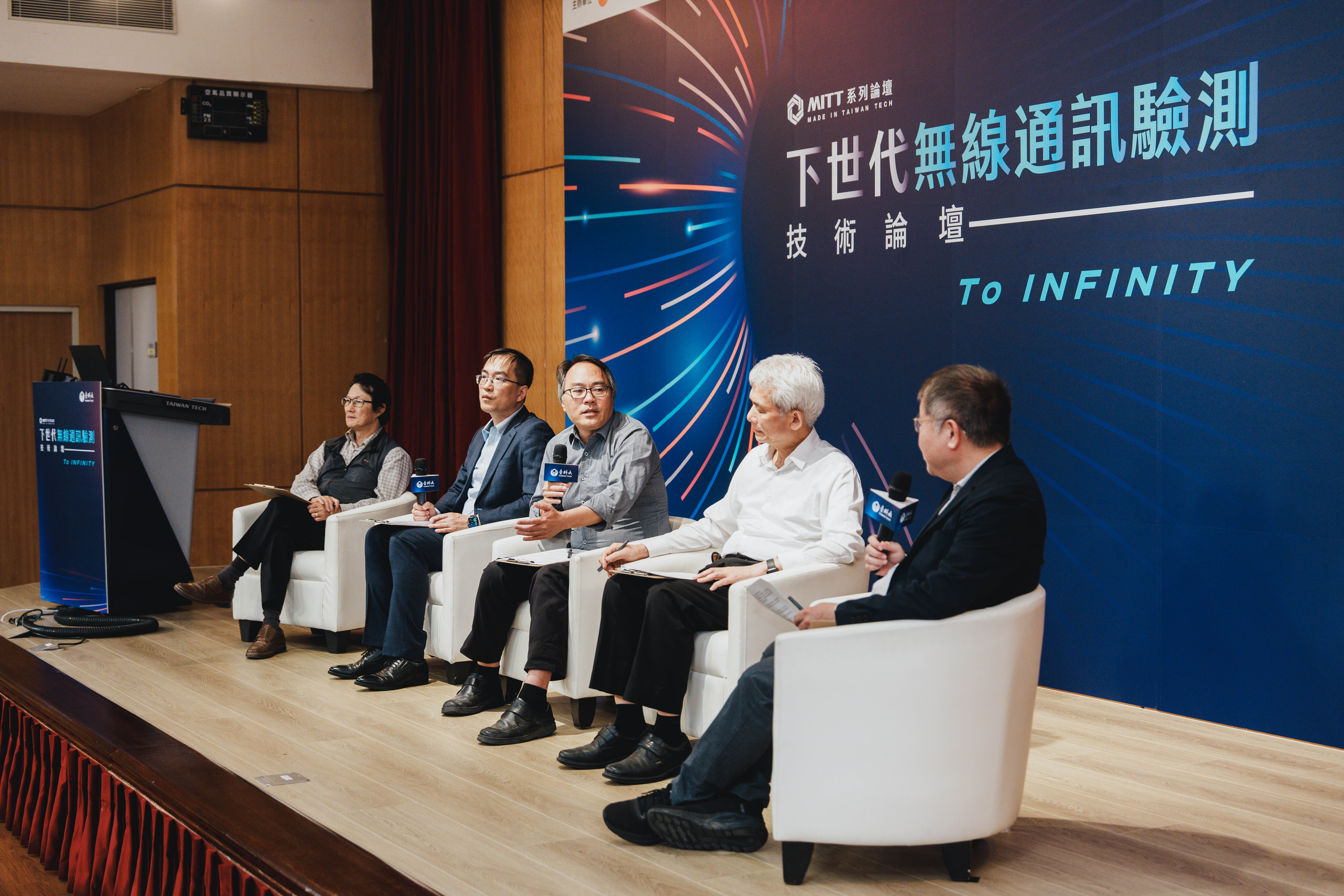
Panel discussion focuses on industry-government-academia collaboration and cross-domain demonstration strategies to build an internationally competitive next-generation wireless communication testing ecosystem.
The forum not only showcased Taiwan's growing capabilities in wireless communication testing technologies but also underscored the critical role of collaboration among academia, industry, and research institutions in advancing 6G development. As next-generation communication applications continue to expand, Taiwan Tech's comprehensive testing infrastructure and technical expertise will serve as a vital foundation for helping Taiwan's communications industry successfully compete in the global marketplace.
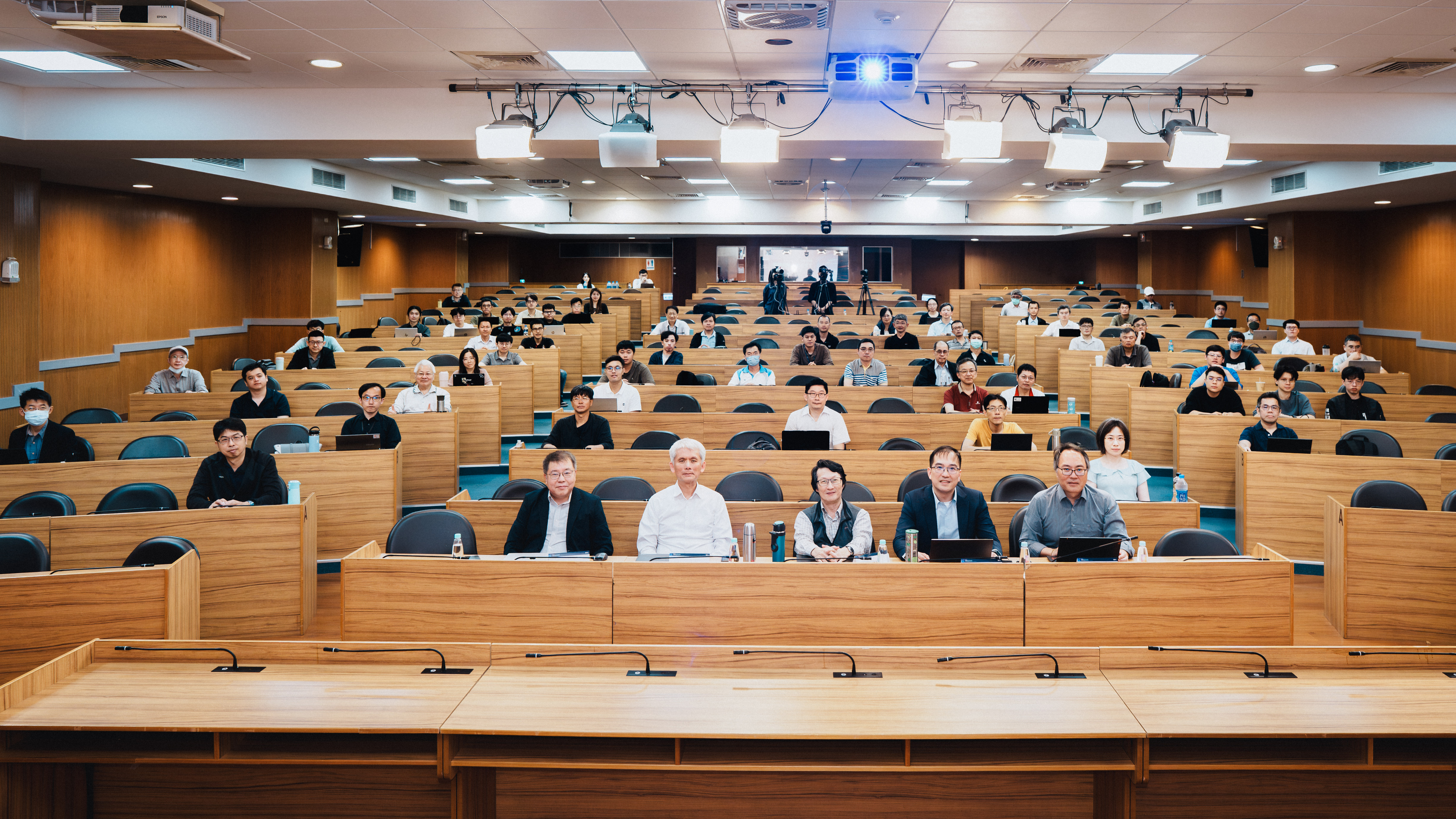
Group photo of participants at the conclusion of the Taiwan Tech MITT next-generation wireless communication testing forum.
News source: DIGITIMES, https://www.digitimes.com.tw/tech/dt/n/shwnws.asp?id=0000753322_XLH4MF6O1F5UCI3O5WMDF