
To advance Taiwan's Bilingual Education Programme and enhance the quality of English-medium instruction (EMI), the EMI Teaching and Learning Center at Taiwan Tech led a cross-university professional development delegation comprising representatives from the Offices of International Affairs, Offices of Academic Affairs, Language Centers, and senior administrators from National Kaohsiung University of Science and Technology, National Chin-Yi University of Technology, Chaoyang University of Technology, and several other higher education institutions. In May 2026, the delegation travelled to Thailand for an overseas training programme.
The delegation visited three leading Thai universities - King Mongkut's University of Technology Thonburi (KMUTT), Thammasat University, and King Mongkut's Institute of Technology Ladkrabang (KMITL) - to engage in in-depth discussions on higher education internationalisation, the integration of English-language teaching resources, and innovative curriculum design.
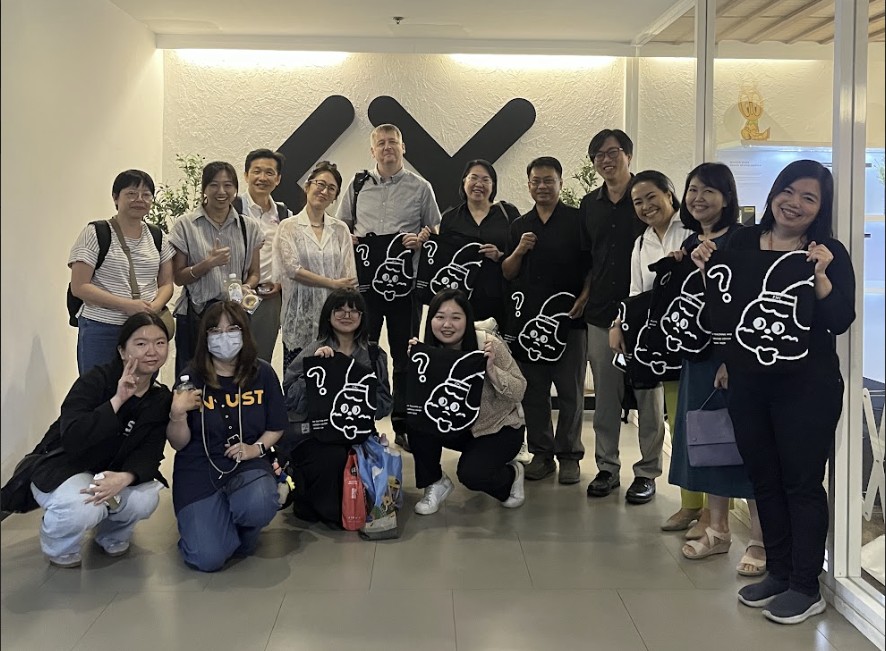
Members of the training delegation took a group photo with the faculty of the School of Liberal Arts at King Mongkut's University of Technology Thonburi (KMUTT).
Driven by the national economic strategy Thailand 4.0, the Thai government has adopted a top-down policy approach to establish international programmes at universities. Delegation members observed that Thailand has pursued a markedly different strategy from Taiwan's gradual institutional transition. At King Mongkut's Institute of Technology Ladkrabang (KMITL), for example, the university has established entirely new international programmes that operate independently of its traditional Thai-language programmes, with separate budgets and dedicated faculty. Tuition fees are approximately three times higher than those of conventional programmes, targeting both domestic students with international educational backgrounds and international students, thereby creating a sustainable operating model comparable to an independent enterprise within the university.
The interdisciplinary support structure implemented by the School of Liberal Arts (SoLA) at KMUTT also provided valuable inspiration for the Taiwanese delegation. The School oversees university-wide English foundation and general education courses while promoting an innovative “Languaging” curriculum centred on students' interests. Rather than emphasising absolute grammatical accuracy, English is treated as a global lingua franca, encouraging students to develop language proficiency through authentic tasks such as producing social media videos. In addition, SoLA has developed an innovative Course Coordinator system, in which language instructors are assigned to professional faculties such as Engineering and Architecture to design tailored English for Specific Purposes (ESP) and EMI support according to the disciplinary needs of each department.
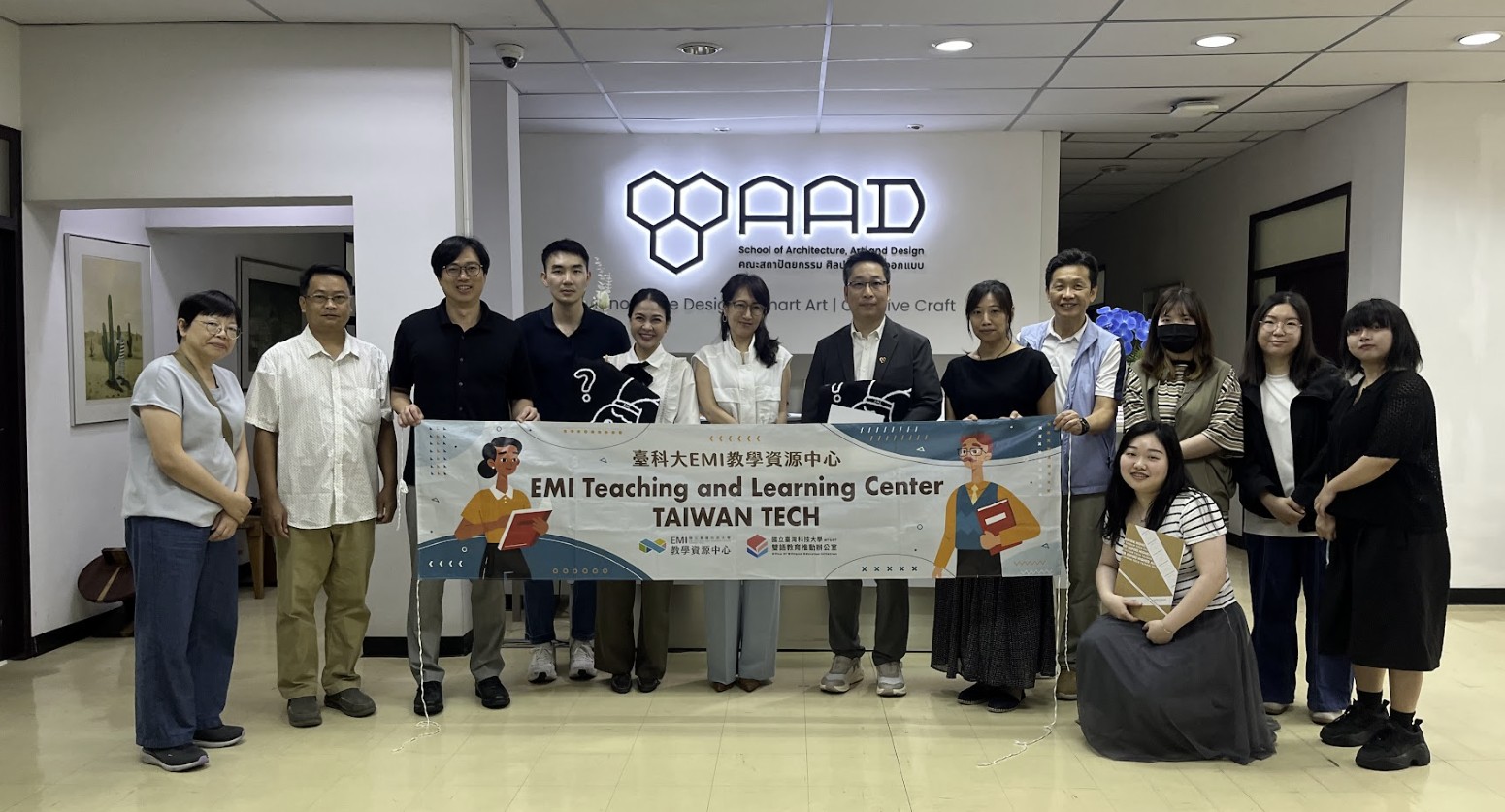
Members of the training delegation took a group photo with the team from the School of Architecture, Art and Design at King Mongkut's Institute of Technology Ladkrabang (KMITL).
Beyond institutional innovation, the Thai universities demonstrated a strong commitment to extending learning beyond the classroom into authentic social contexts. Both Thammasat University and KMITL emphasised a shift from purely theoretical instruction towards Experiential Learning. Their curricula incorporate community-based Capstone Projects and actively organise ASEAN+ International Summer Camps that bring together students from ASEAN member states and Japan. Through company visits, dialogues with chief executive officers, and other experiential activities, these programmes cultivate students' intercultural communication skills and entrepreneurial mindset.
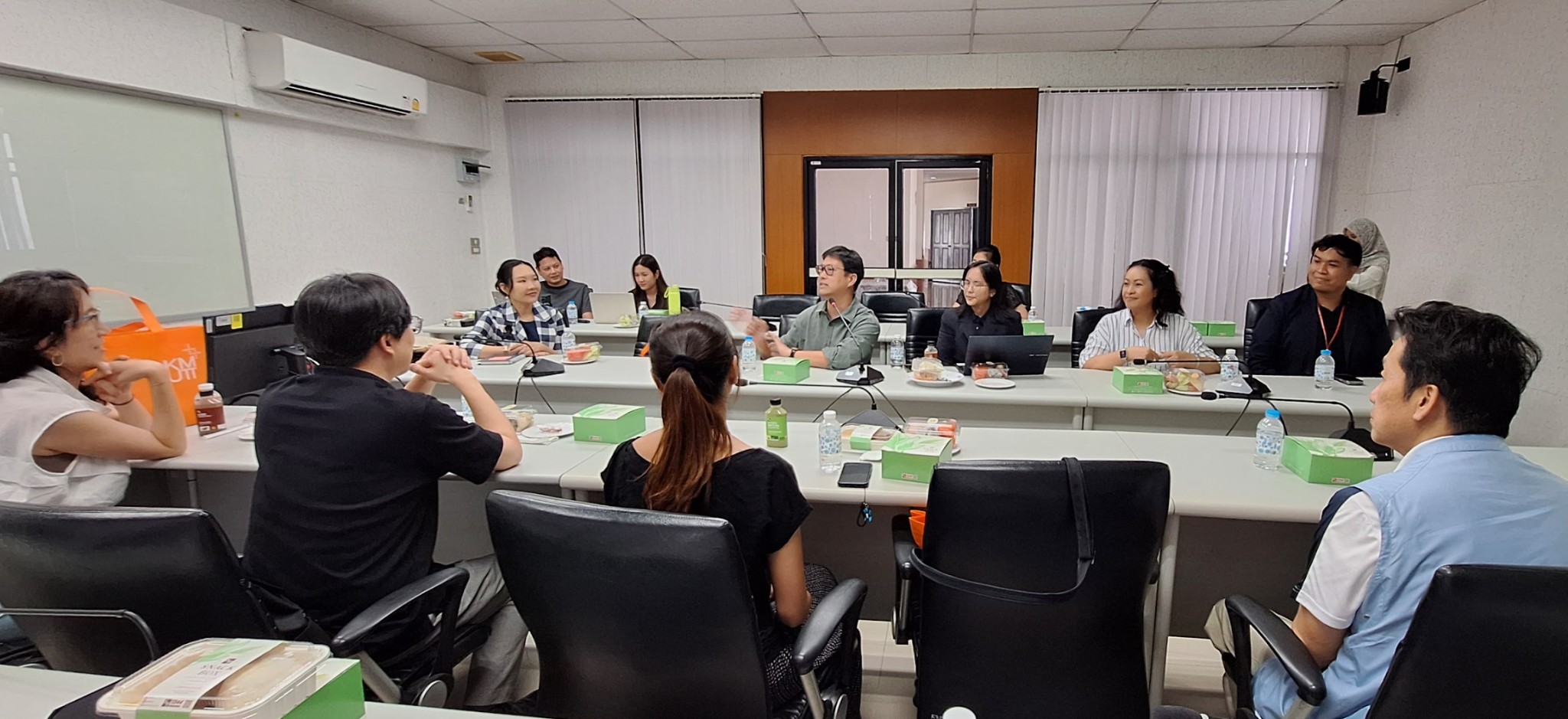
Members of the training delegation discuss the Course Coordinator system and the innovative Languaging teaching framework at the School of Liberal Arts, King Mongkut's University of Technology Thonburi (KMUTT).
During the exchanges, members of the Taiwanese delegation noted that under Taiwan's current bilingual education policy, disciplinary faculty members are expected to transition to English-medium instruction (EMI), yet the corresponding support systems remain insufficient. Taiwan Tech's EMI Teaching and Learning Center observed that Thailand's more integrated central language support framework, together with clearly defined international programme structures, has created a more flexible and sustainable teaching model. This approach offers valuable insights for Taiwan's higher education sector, particularly in strengthening institutional support and reducing the burden placed on disciplinary faculty members delivering EMI courses.
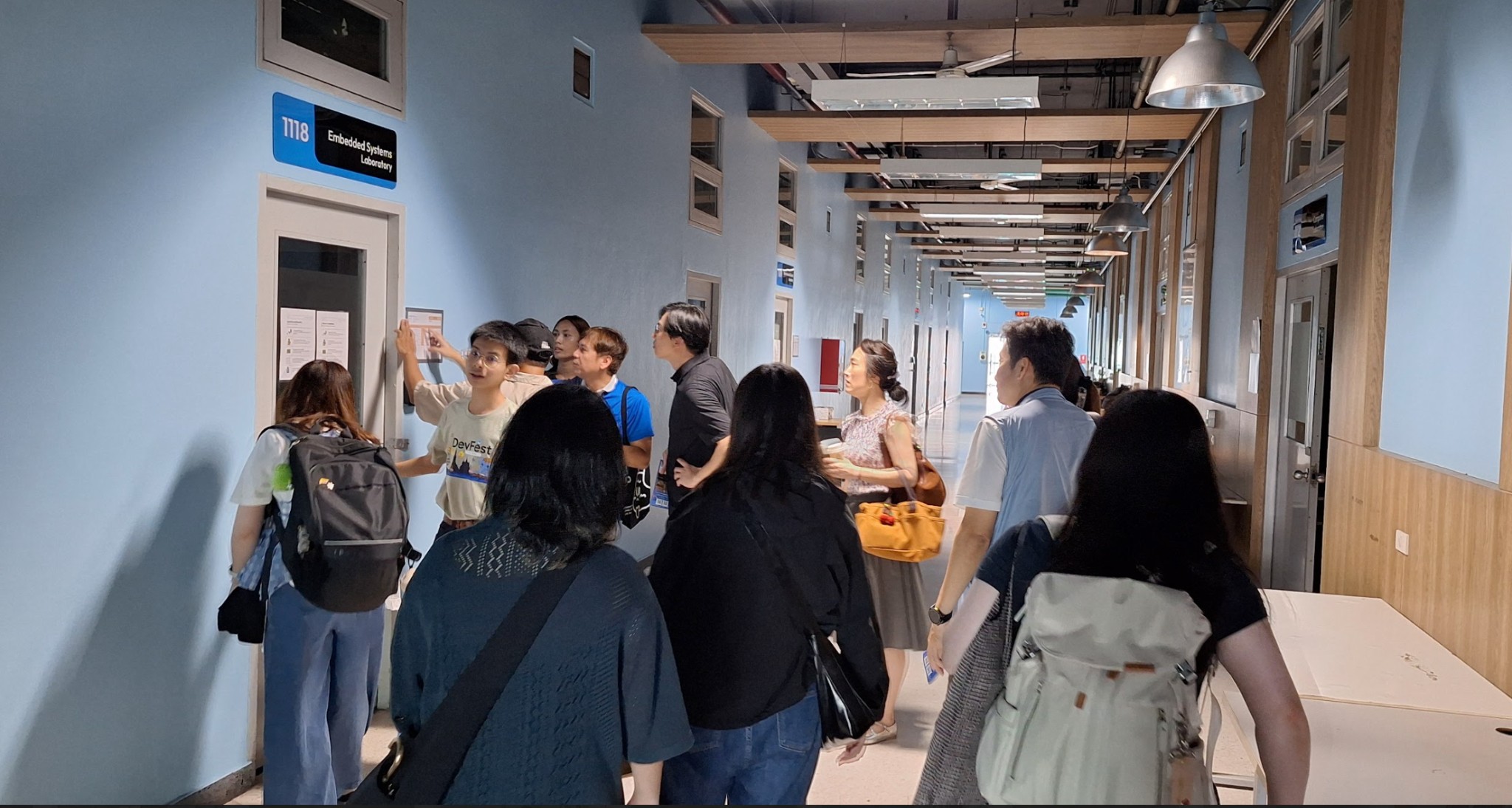
Members of the training delegation visit teaching facilities and research laboratories at the School of Computer Science, King Mongkut's University of Technology Thonburi (KMUTT).
The visit represented not only a valuable opportunity for policy dialogue but also the beginning of deeper institutional collaboration. The training programme has laid the foundation for future initiatives, including bilateral summer laboratory internship programmes for students, Collaborative Online International Learning (COIL) projects, and customised English-language professional development programmes for university faculty. Through the establishment of a long-term Asian higher education partnership network, both sides aim to cultivate a new generation of graduates equipped with global mobility and cross-border collaborative competencies.
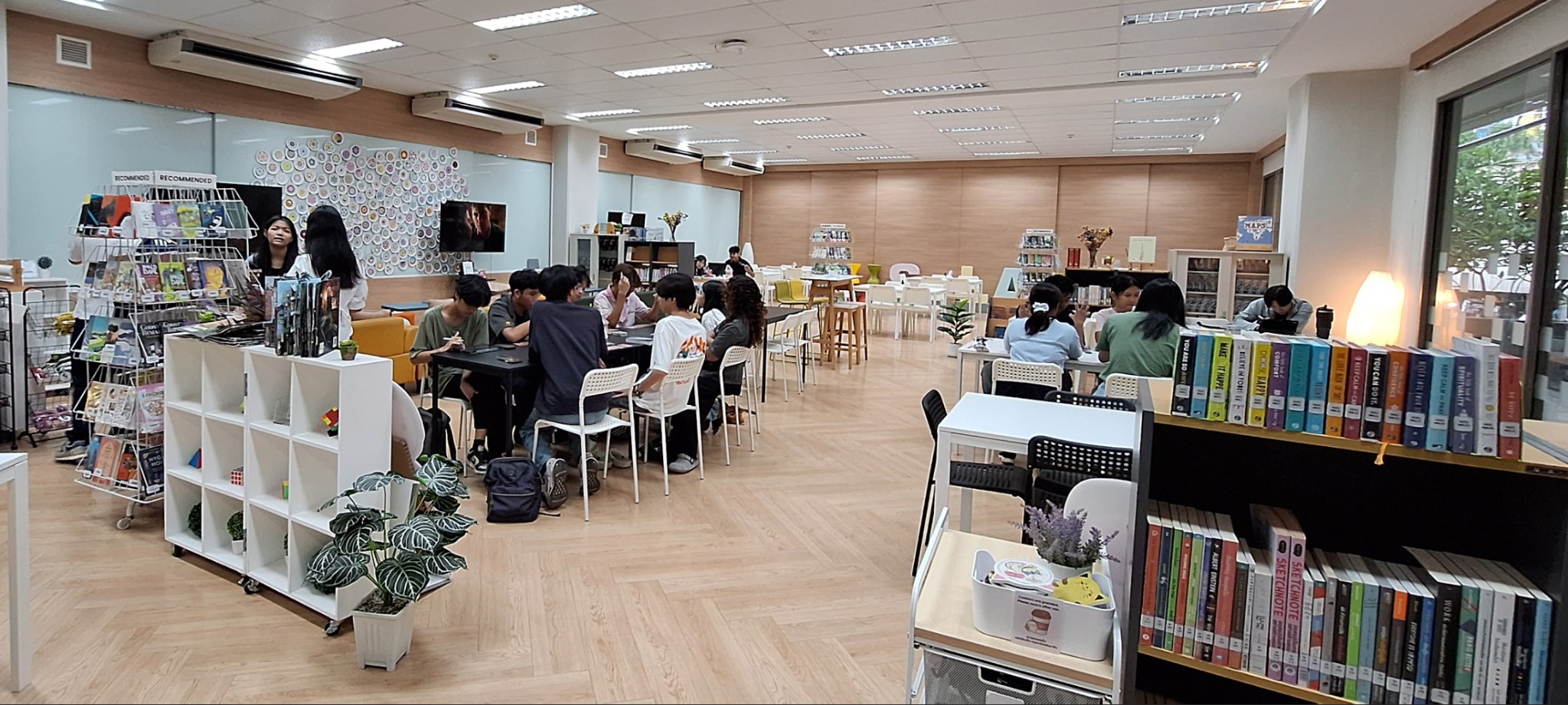
The School of Liberal Arts at King Mongkut's University of Technology Thonburi (KMUTT) has created the Global Competency Development Centre (GCDC), an open and diverse learning environment that provides a wide range of language-learning resources. The centre enables students to organise activities and practise language skills beyond the classroom.
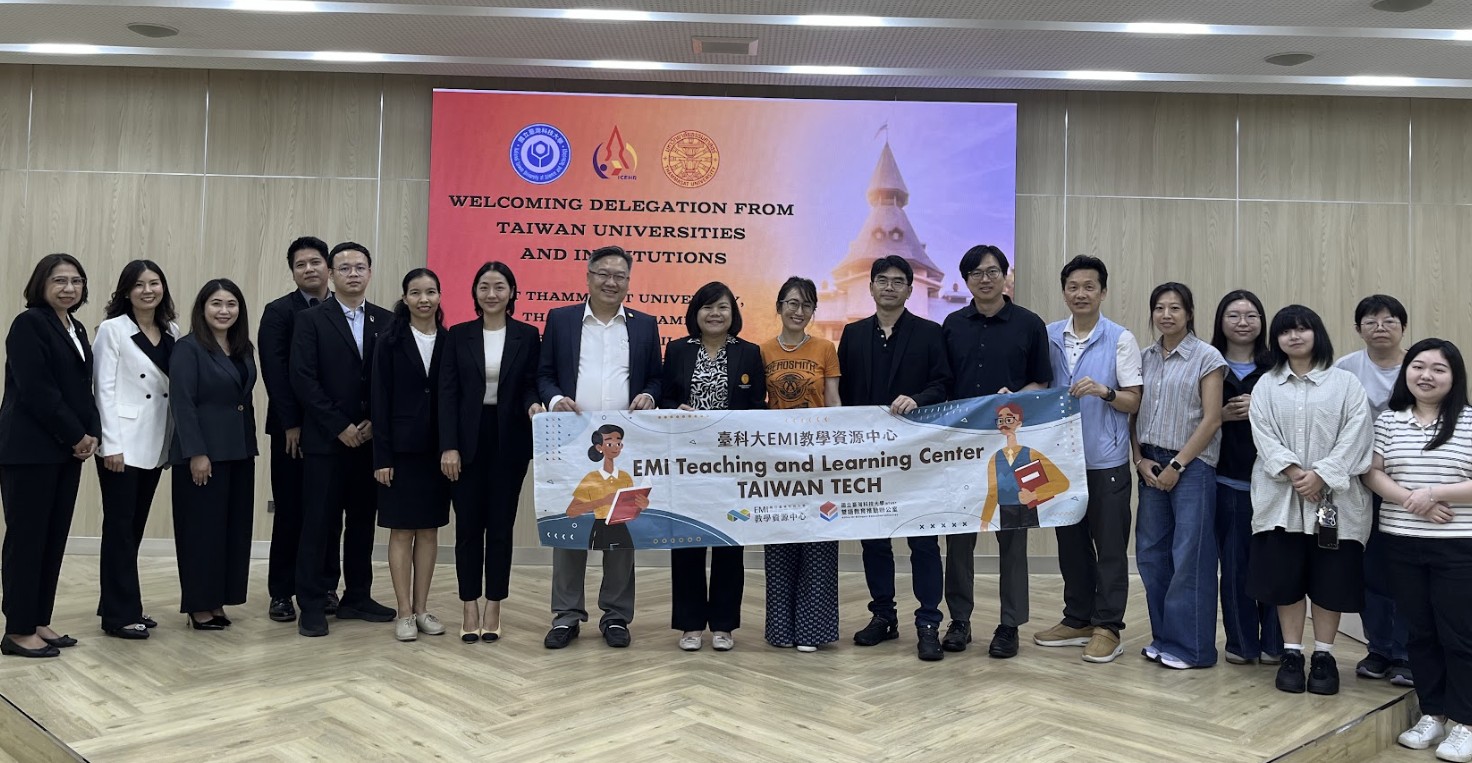
Members of the training delegation pose for a group photograph with representatives from various units of Thammasat University following their academic exchange.
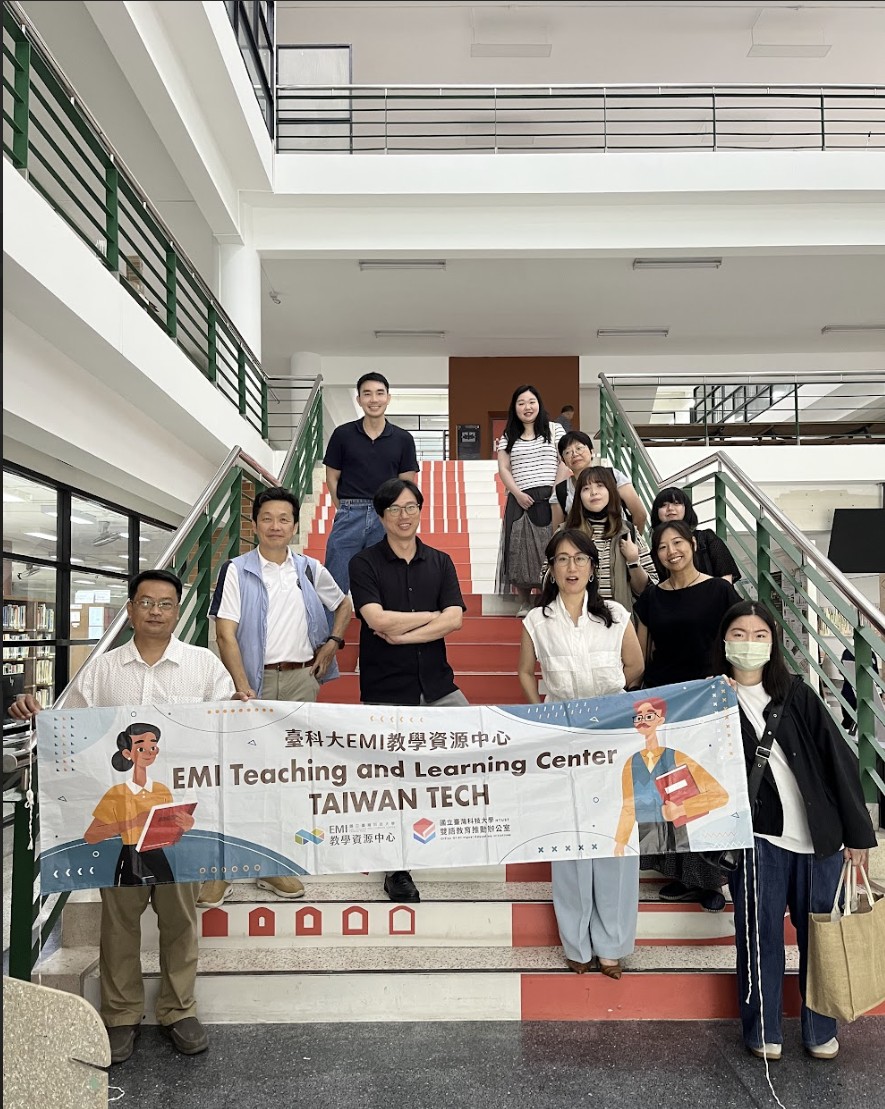
The delegation expressed its sincere appreciation to King Mongkut's Institute of Technology Ladkrabang (KMITL) for sharing its experience and providing an in-depth understanding of the development and operation of Thailand's international programmes. The delegation also extended special thanks to the faculty and staff of King Mongkut's University of Technology Thonburi (KMUTT) for their invaluable coordination and support, which made the training and exchange programme in Thailand possible.