
To deepen the integration of social practice courses with University Social Responsibility (USR), the Center for General Education at Taiwan Tech organized the “Penghu Social Practice Field Study” from July 22 to 25. A faculty delegation visited National Penghu University of Science and Technology, local revitalization teams, marine education sites, and community settlements. Through on-site exchanges, field visits, and in-depth dialogue, the delegation explored how universities can establish long-term partnerships with local communities through USR and transform local experiences into momentum for social practice courses, teaching innovation, and interdisciplinary collaboration.
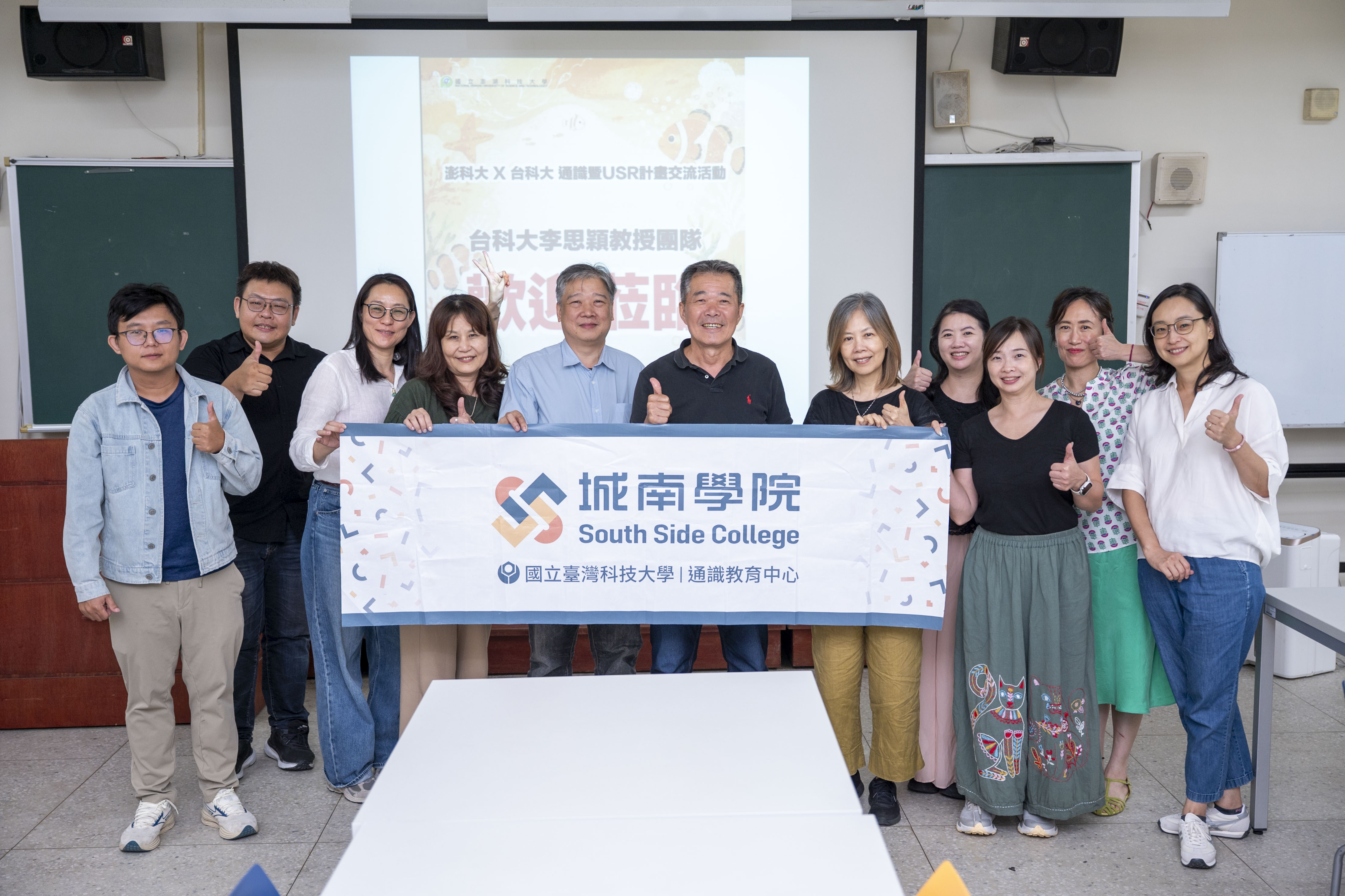
Taiwan Tech faculty members exchange ideas with the USR team at National Penghu University of Science and Technology, discussing how universities can deepen local connections through long-term engagement.
The field study covered topics including “USR and General Education”, “Marine Education and Fishing Culture”, and “Local Revitalization and Community Development.” Unlike previous learning models centered primarily on visits, the faculty members engaged directly with local communities. Through sharing sessions with community residents, young people who had returned to their hometowns, site operators, and university USR teams, they gained insight into years of accumulated efforts behind local development and reconsidered the role universities play in local communities. Universities are not merely providers of knowledge, but also long-term companions, collaborative partners, and co-creators.
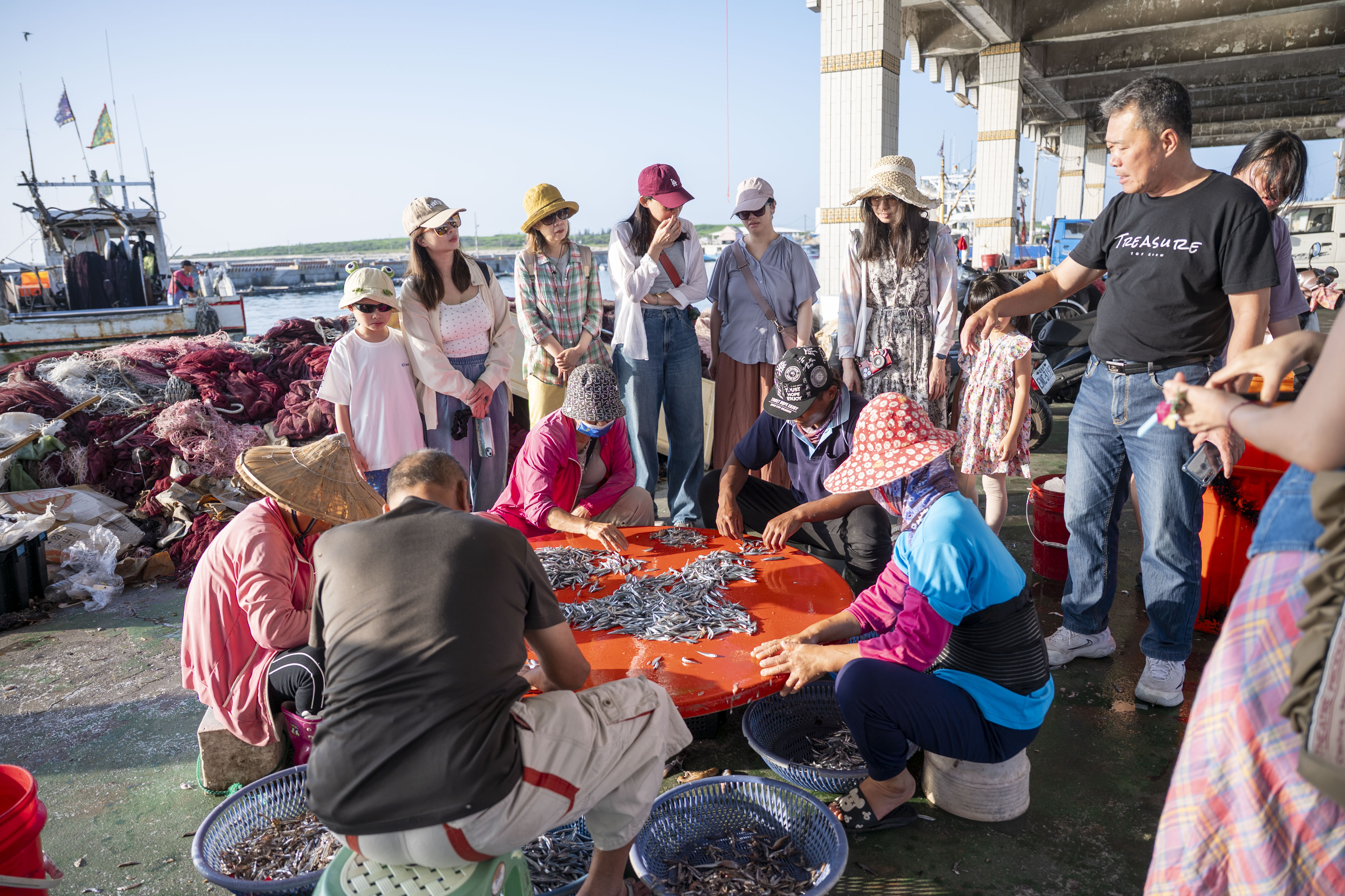
Professor Po-An Lin of National Penghu University of Science and Technology (right) shares his years of experience working with USR initiatives and fishing communities at Chihkan Fishing Port, helping Taiwan Tech faculty members understand how universities can strengthen local connections through long-term USR engagement from the perspectives of local culture and industrial development.
In their daily reflections, several faculty members noted that their most meaningful takeaway was not any single case study, but rather witnessing the process through which USR teams establish long-term relationships of trust with local communities. Professor Po-An Lin of National Penghu University of Science and Technology shared that, through years of involvement in USR initiatives, he and local fishermen gradually developed a relationship that evolved from cooperation partners into trusted friends. This experience has enabled local collaboration to be built on long-term mutual trust and shared growth. It gave the visiting faculty a deeper understanding that universities should not intervene in local communities through short-term projects. Instead, by providing sustained support, listening to local needs, and working together to address challenges, universities can gradually build mutual trust and enable education, research, and social engagement to genuinely respond to local needs, creating a positive cycle of mutual development between education and communities.
During the field study, the faculty members also observed diverse examples involving marine environmental education, the preservation of traditional fishing culture, youth entrepreneurship in their hometowns, and community development. These cases demonstrated how local communities can integrate culture, industry, and environmental sustainability to develop distinctive approaches to action. For example, in Nanliao Community, the faculty members learned through field visits and exchanges with local residents how the community has mobilized collective efforts and used cultural preservation and local characteristics as important foundations for community development. Through these first-hand interactions, the faculty members not only learned about strategies for local revitalization but also reflected on how authentic social issues could be incorporated into courses, encouraging students to step beyond the classroom and develop the ability to observe society, understand local communities, and engage in interdisciplinary collaboration.
Yi-Chen Lin, a faculty member of the Center for General Education, said, “The greatest takeaway from this trip was not simply seeing the achievements of local revitalization, but witnessing the process through which many scholars have devoted themselves to and accompanied local communities over the long term.” She believes that when universities establish long-term mutual trust with local communities through USR, they can not only support local development but also help students understand the perspectives of different stakeholders through authentic real-world settings, thereby developing interdisciplinary thinking and problem-solving abilities. This, she noted, is one of the most valuable aspects of social practice education. She hopes to incorporate the experience gained from the field study into future course design by using field visits, local issues, and inter-university exchanges to help students develop problem-solving skills through authentic contexts while strengthening their capacity for social engagement and public-mindedness.
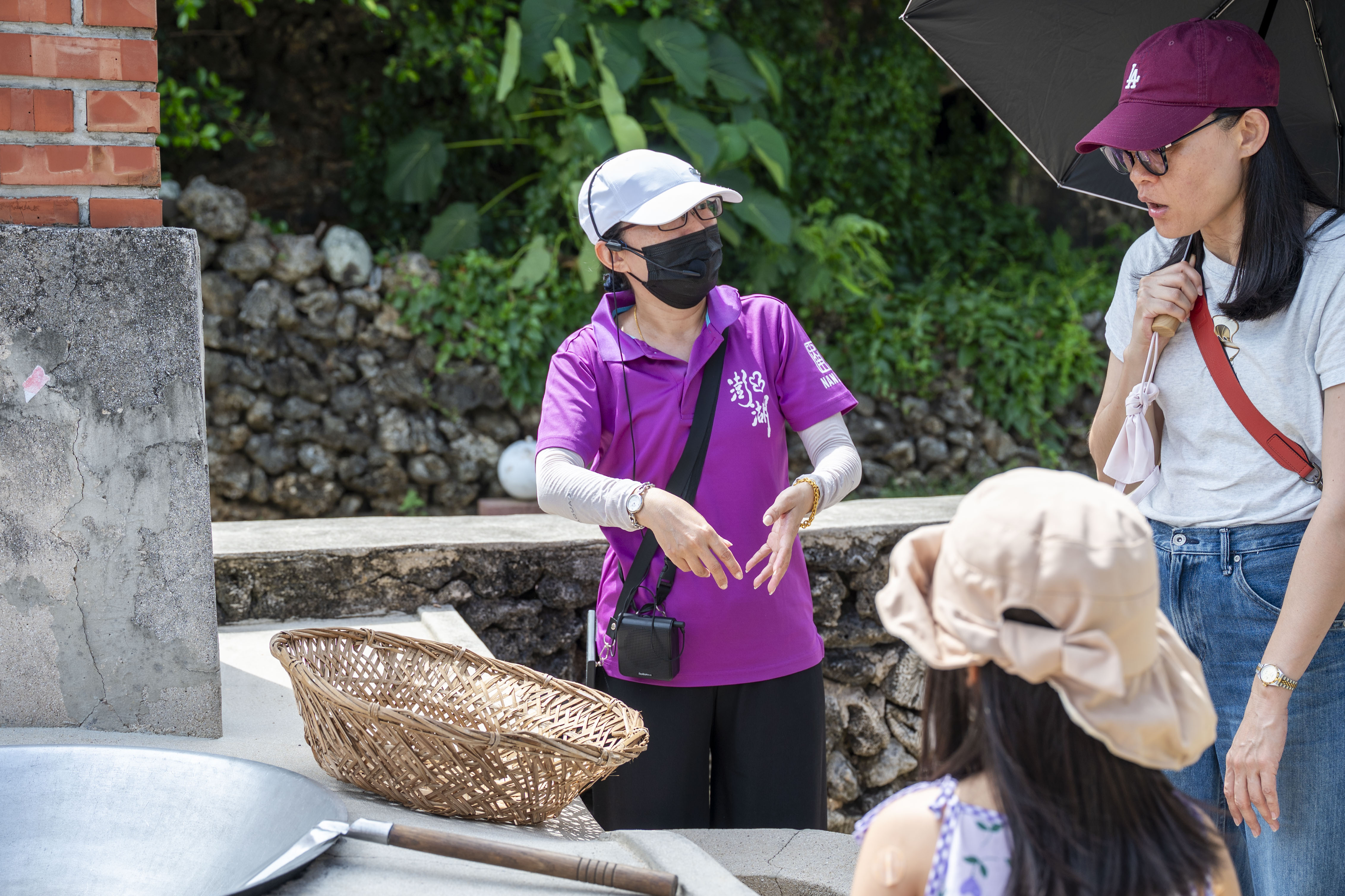
Taiwan Tech faculty members visit Nanliao Community and learn about settlement preservation and local revitalization through a field visit, gaining an in-depth understanding of the process of sustainable local development.
Reflecting on the overall outcomes of the field study and future directions, Sy-Ying Lee, Director of the Center for General Education at Taiwan Tech, said, “Social practice education is not simply about leading students into local communities. More importantly, it is about building mutual trust with communities and responding to real-world issues through interdisciplinary collaboration. True learning comes from understanding and respecting local communities and growing together with them.” She added that the Center for General Education at Taiwan Tech will continue to connect local partners and inter-university resources, gradually incorporating the outcomes of this exchange into social practice courses, faculty communities, and interdisciplinary collaborations. Through these efforts, the Center aims to develop more diverse teaching models and provide students with additional opportunities for hands-on learning.
The field study also gave the faculty members a profound understanding that “accompanying local communities” is not only a slogan, but a process that requires time, accumulated trust, and shared growth. The experience from Penghu will serve as an important source of inspiration for Taiwan Tech as it continues to promote social practice education, deepen partnerships between the university and local communities, and work together to create sustainable value for both education and local development. Because true social practice is not simply about entering a community, but about being willing to accompany it over the long term.
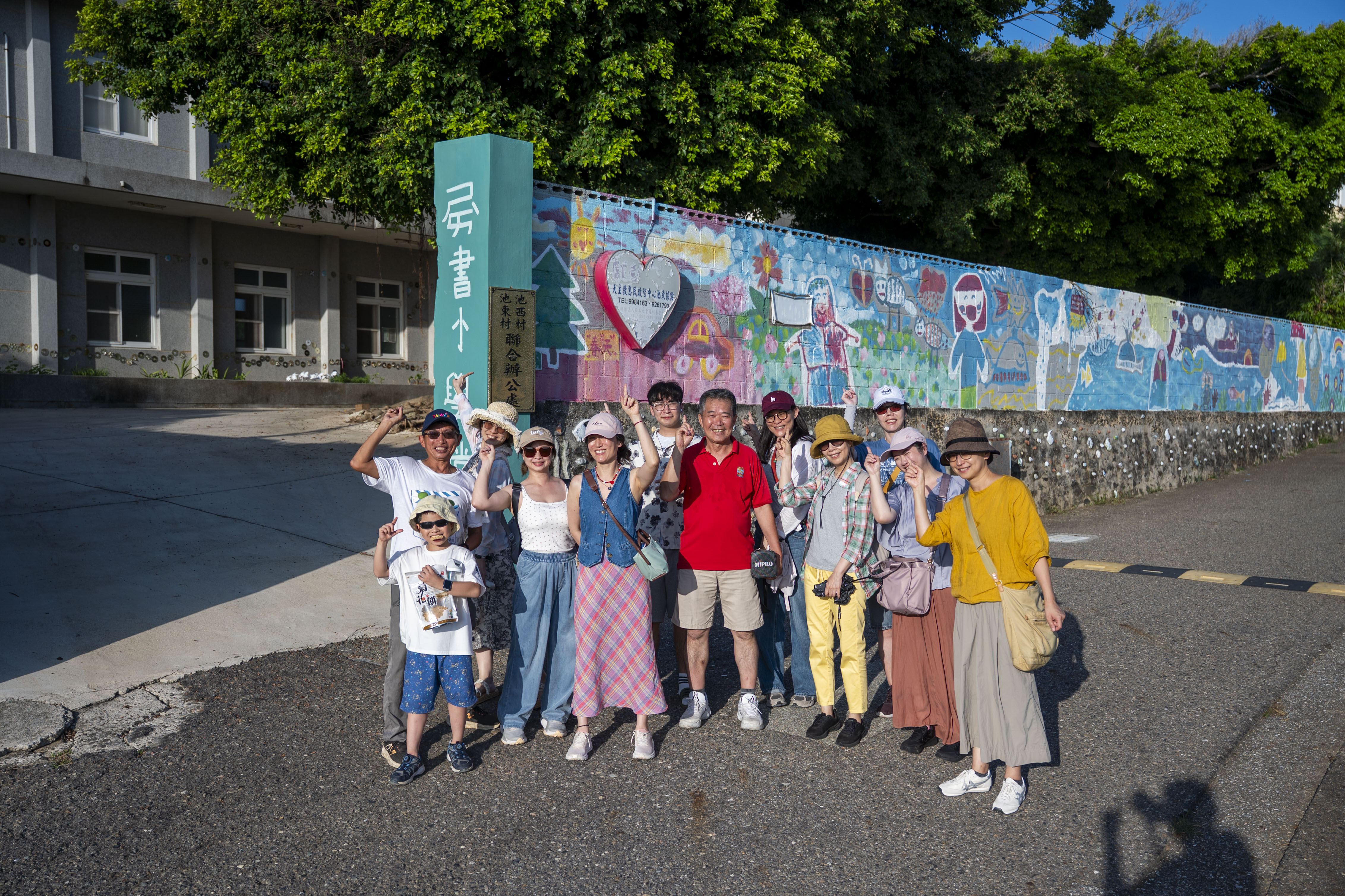
Faculty members from Taiwan Tech’s Center for General Education gather at “Shai Shu Elementary School” in Penghu, learning about community development and local revitalization through field visits and exploring how universities can strengthen partnerships with local communities through USR.