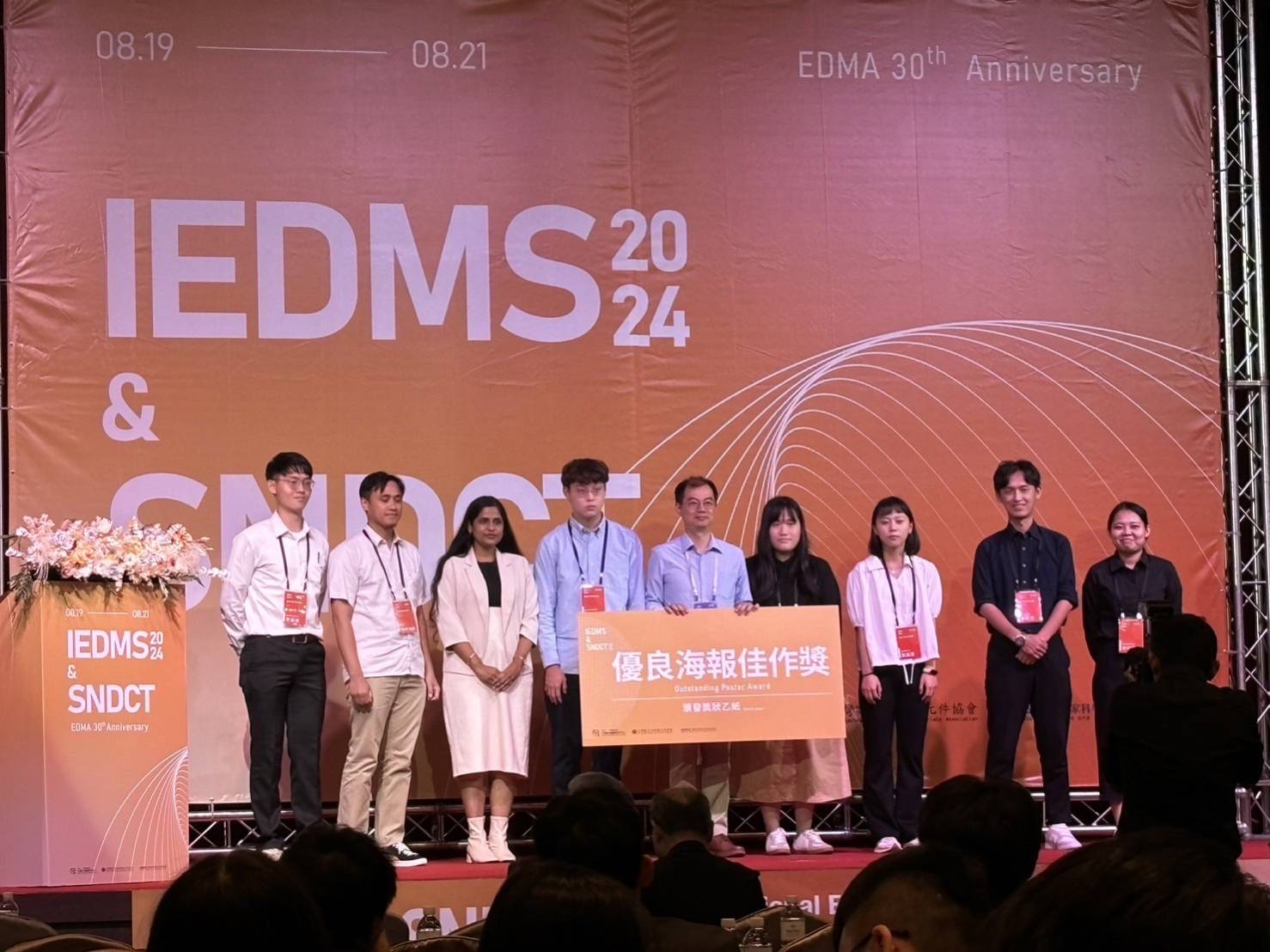
Rupa Neralla, India, R&D Engineer at Pyras Technology
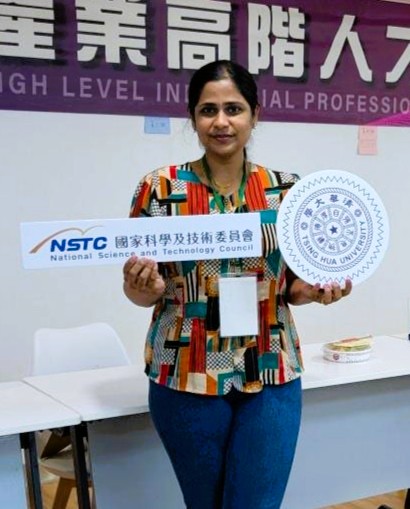
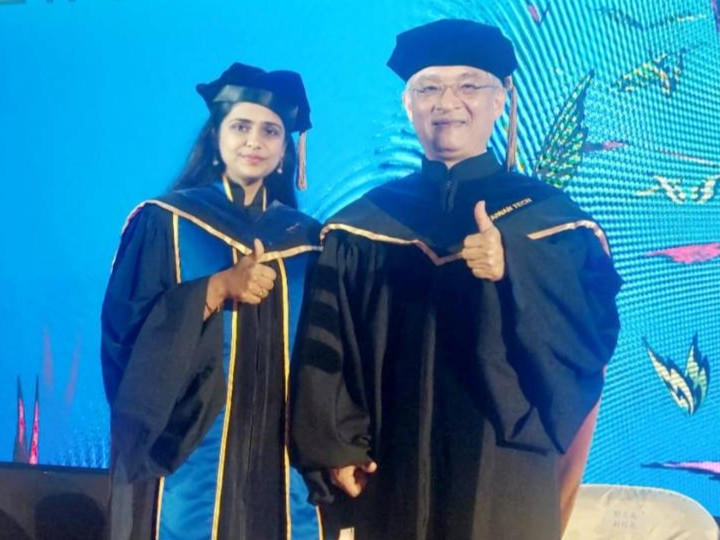
Originally from Visakhapatnam, Andhra Pradesh (India), Santhoshi Rupa Grayatri NERALLA has built an academic career spanning India, South Korea, and Taiwan. After earning her bachelor's degree in India and a master's degree from Sungkyunkwan University in South Korea, she completed her Ph.D. in Electronic and Computer Engineering at Taiwan Tech in 2024.
Rupa is currently an R&D Engineer at Pyras Technology in New Taipei City and a postdoctoral researcher at National Tsing Hua University through Taiwan's RAISE program, supported by Taiwan's National Science and Technology Council (NSTC, formerly MOST).
Deciding to pursue a PhD at Taiwan Tech
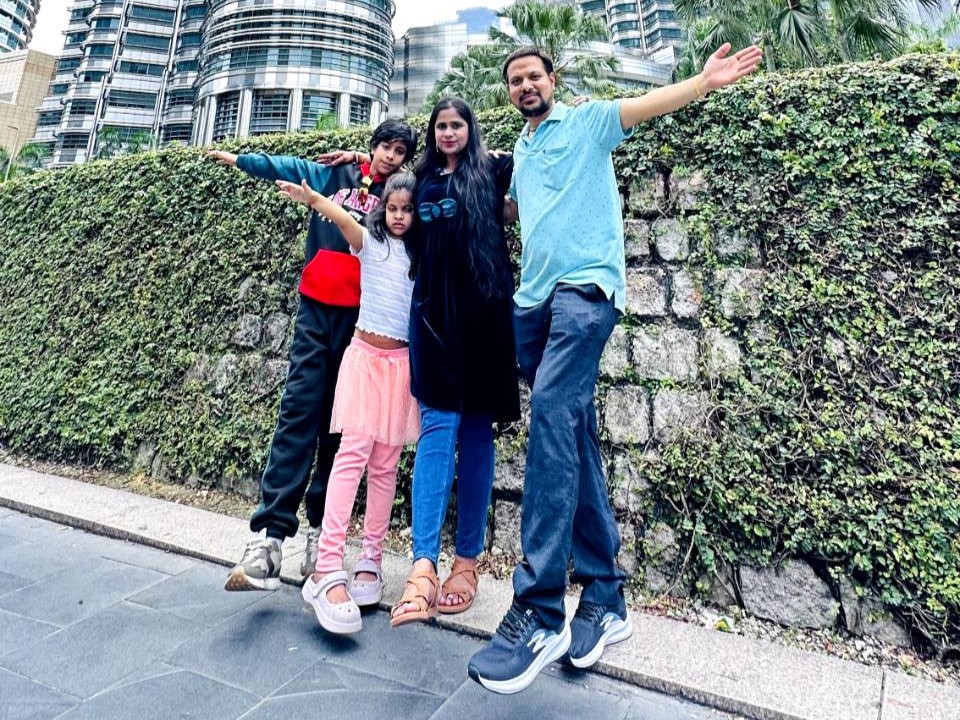
I grew up in Andhra Pradesh, India, and spent five years in South Korea, where I earned my master's degree at Sungkyunkwan University, specializing in big data and image processing. During that time, my husband was a research professor at the same university, and we were raising our young son. We moved to Taiwan after my husband accepted a position as an Assistant Professor in the Department of Chemical Engineering at Taiwan Tech. Our daughter was six months old when we arrived.
Initially, I had no plans to pursue a Ph.D. After completing my master's degree and becoming a mother of two, I expected to enter industry. However, being part of the Taiwan Tech environment exposed me to a strong research culture, and I gradually decided to continue my studies. A Ph.D. also offered greater flexibility than a full-time industry position while raising young children. After receiving a Taiwan Tech scholarship and tuition waiver, I decided to enroll.
At the same time, the COVID-19 pandemic brought unexpected challenges. Our son remained in India, and travel restrictions kept us apart for more than three years. Caring for our infant daughter while beginning my doctoral journey also made it difficult to meet faculty members in person as I searched for a Ph.D. advisor. I approached several professors and explained my situation and my need for flexibility. While some were hesitant, Professor Lee, San-Liang understood my circumstances and agreed to supervise my research. His support gave me the confidence to begin my doctoral journey despite the uncertainties we were facing.
Doctoral study alongside family responsibilities
Doctoral studies at Taiwan Tech are demanding, especially while raising a young child. Preparing for the qualifying examination required strict time management. After classes and family duties, I often studied late into the night for six months. Passing the exam on my first attempt gave me the confidence to continue.
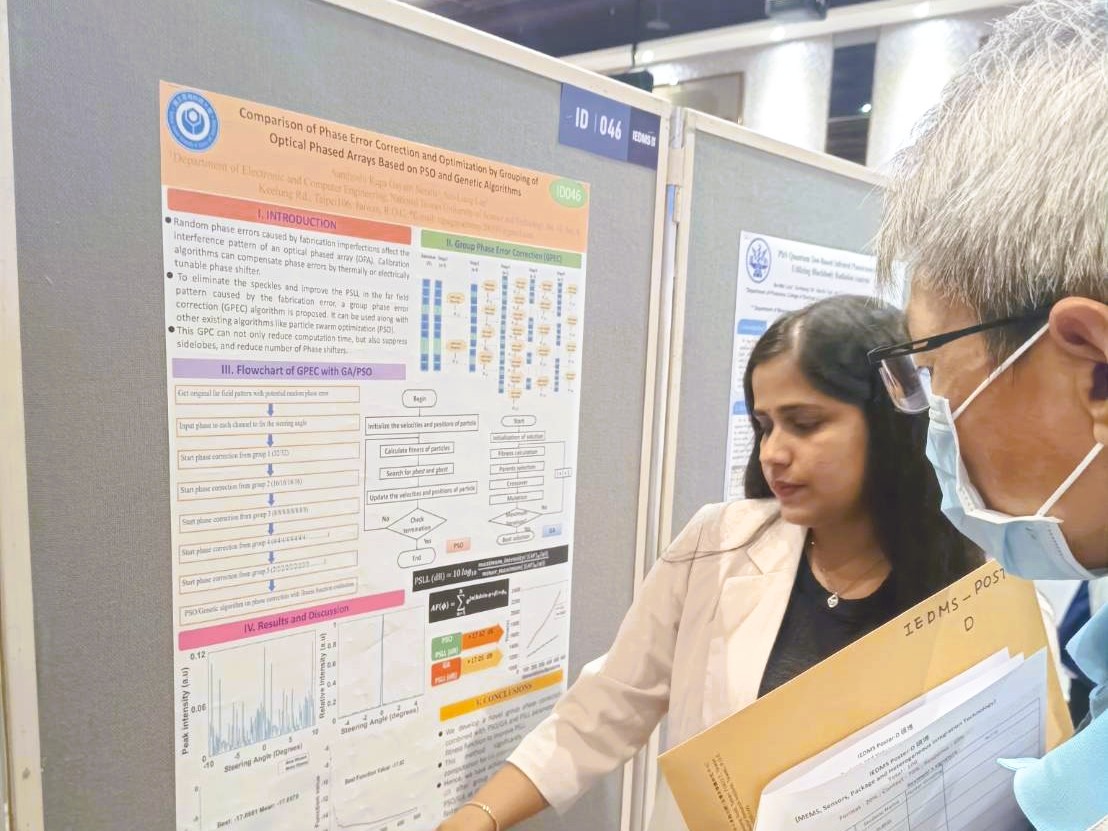
The next stage involved completing two research projects, publishing a journal paper, and presenting my research at international conferences. With my advisor’s support, I presented my work in Japan and the United States. Publishing my journal paper proved to be the most challenging part. After two rejections and four years of revisions, it was finally accepted, allowing me to complete my Ph.D.
Throughout this period, family support was essential. When I traveled or needed focused time, my husband took care of our children. In 2024, our family was finally reunited in Taiwan after our son was able to join us. Completing the Ph.D. was only possible through this shared support system.
Adapting to life in Taiwan – overcoming language barriers
Having already lived in South Korea, adapting to Taiwan was not entirely unfamiliar. Compared with South Korea, I found daily life in Taiwan more welcoming, particularly as a parent. People were generally more understanding of family responsibilities, which helped me continue my studies while raising two young children.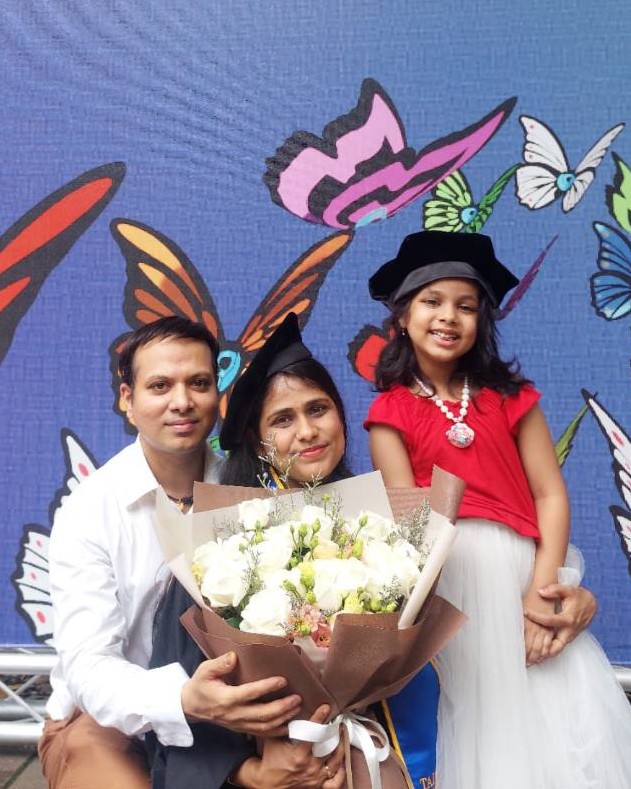
The main challenge in both countries was the language barrier. In South Korea, I learned Korean, which helped with daily life. In Taiwan, I was unable to learn Mandarin due to the demands of my Ph.D. and family responsibilities. At Taiwan Tech, however, this was less of an issue. Many students were international, English was commonly used in laboratories, and most of my courses were taught in English. Outside campus, I relied on English and translation tools for everyday communication. Over time, our children became our interpreters. My daughter attends a public school in Taipei and speaks fluent Mandarin, while my son is enrolled in a bilingual school.
After graduation: bridging academia and industry through the RAISE program
After completing my Ph.D., I applied for both academic and industry positions. I began my job search while finishing my thesis and received an offer shortly after graduating in August through an academic connection. Throughout this process, support from Taiwan Tech remained important, and my supervisor, Professor Lee, provided recommendations that helped facilitate the transition.
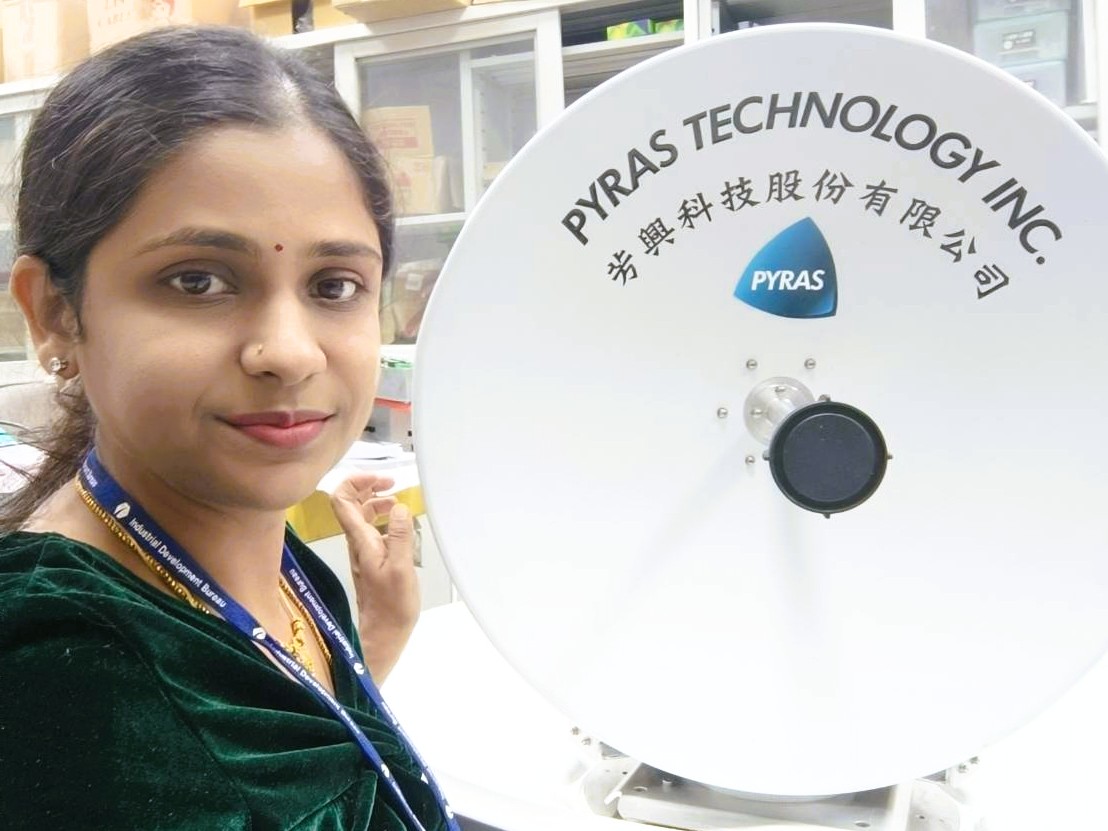
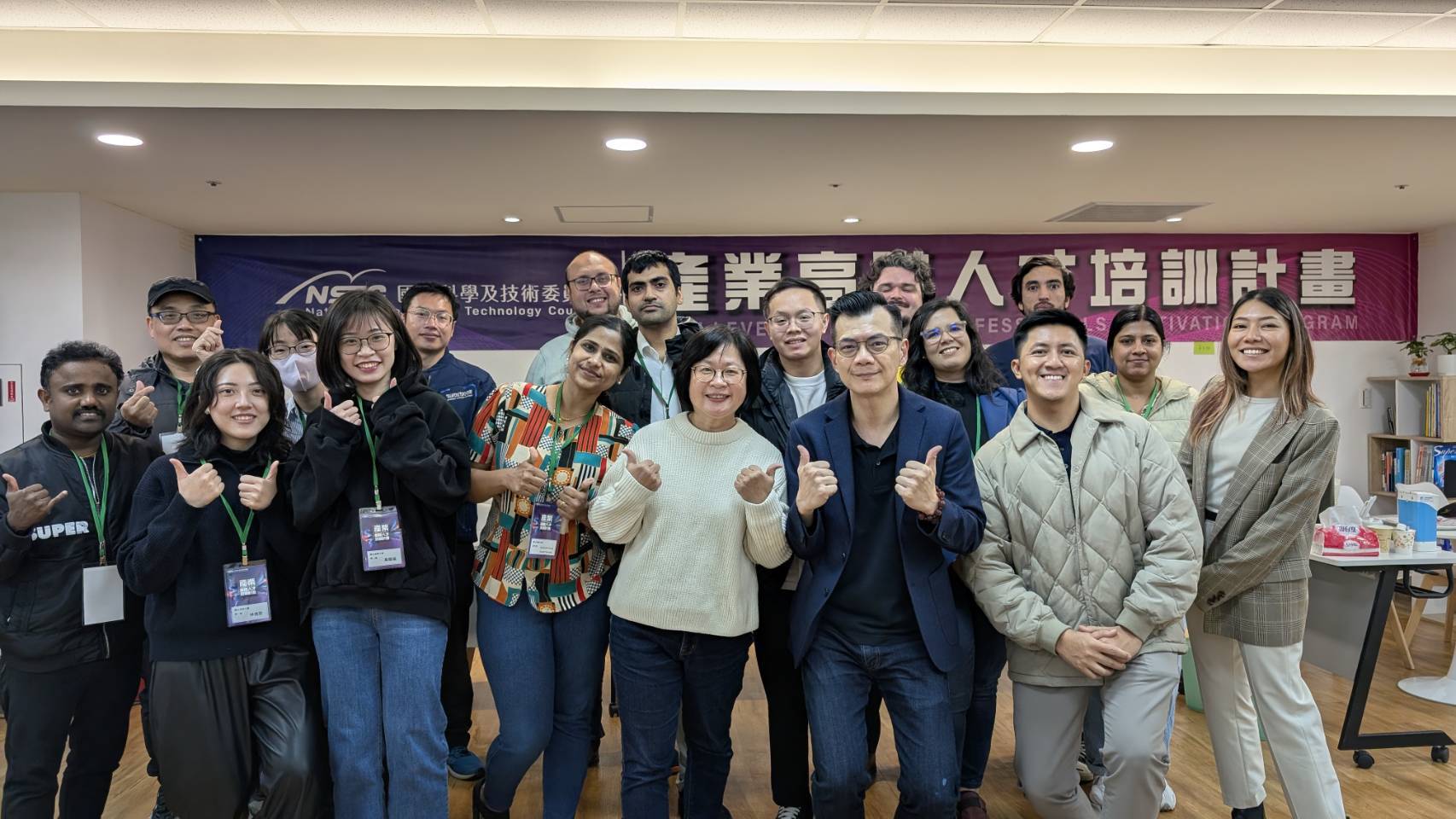
A professor at National Tsing Hua University later introduced me to Taiwan’s RAISE (Rebuild After PhDs Industrial Skill and Expertise) program, which connects doctoral graduates with industry while maintaining academic affiliations. Through this program, I became an R&D Engineer at Pyras Technology and a postdoctoral researcher at National Tsing Hua University.
The position allows me to gain industrial experience while staying involved in academic research. Moving from academia to industry required adjustment, particularly to fixed office hours and a more structured working environment. Before starting work, I obtained Taiwan’s Employment Gold Card, which I received within one month and allowed me to begin working without delay.
Developing AI-powered drone detection systems
At Pyras Technology, I work as an R&D Engineer on an NSTC-funded project developing AI-based drone detection systems in collaboration with National Tsing Hua University. The project applies machine learning and computer vision to detect and track drones in real time for practical deployment.
My work combines algorithm development and system integration, ensuring that the AI models function reliably across both the university’s research platform and the company’s hardware system. Close coordination between both teams is essential to maintain compatibility and move the technology toward real-world application.
This role has given me first-hand experience of industry–academia collaboration. Compared with academic research, industry projects place greater emphasis on system integration, fixed timelines, and practical outcomes, while still relying on academic expertise.
Start building your career before you graduate
My advice to international students is to start preparing for your career early and not wait until the final year to seek internships or industry experience.
Taiwan Tech offers strong links with industry through internships, research projects, and industry–academia collaborations. These opportunities help students understand how research is applied in practice and strengthen their profiles for future job applications.
Just as important is using the Taiwan Tech network. Talk to professors, lab members, senior students, and alumni. Direct contact often leads to information, advice, and openings that are not publicly advertised. When looking for jobs, do not rely only on submitting CVs through job fairs or online platforms. Job fairs are useful, but it is important to speak directly with recruiters, ask questions, and build real conversations.
The experiences and connections you build during your time at Taiwan Tech can open doors long after graduation and help you transition more confidently into your career.