Taiwan Tech hosts 2025 D&AD Taiwan Exhibition, empowering the next generation of design thinking.[ 24 Dec. 2025]
Initiated by the renowned UK design organization D&AD and hosted by the Department of Design at Taiwan Tech, the “2025 D&AD Taiwan Exhibition” was recently held at Taiwan Tech’s Dayong Workshop. This year’s theme, “Judging & Be a Judge,” encourages interaction between visitors and the exhibited works, breaking away from the traditional model of one-way evaluation by experts and allowing all visitors to actively participate in the judging process. By entering the exhibition and completing the evaluation of the works, visitors receive a certificate symbolizing their role as a judge, underscoring the idea that every attendee can redefine the value of design from their own perspective.
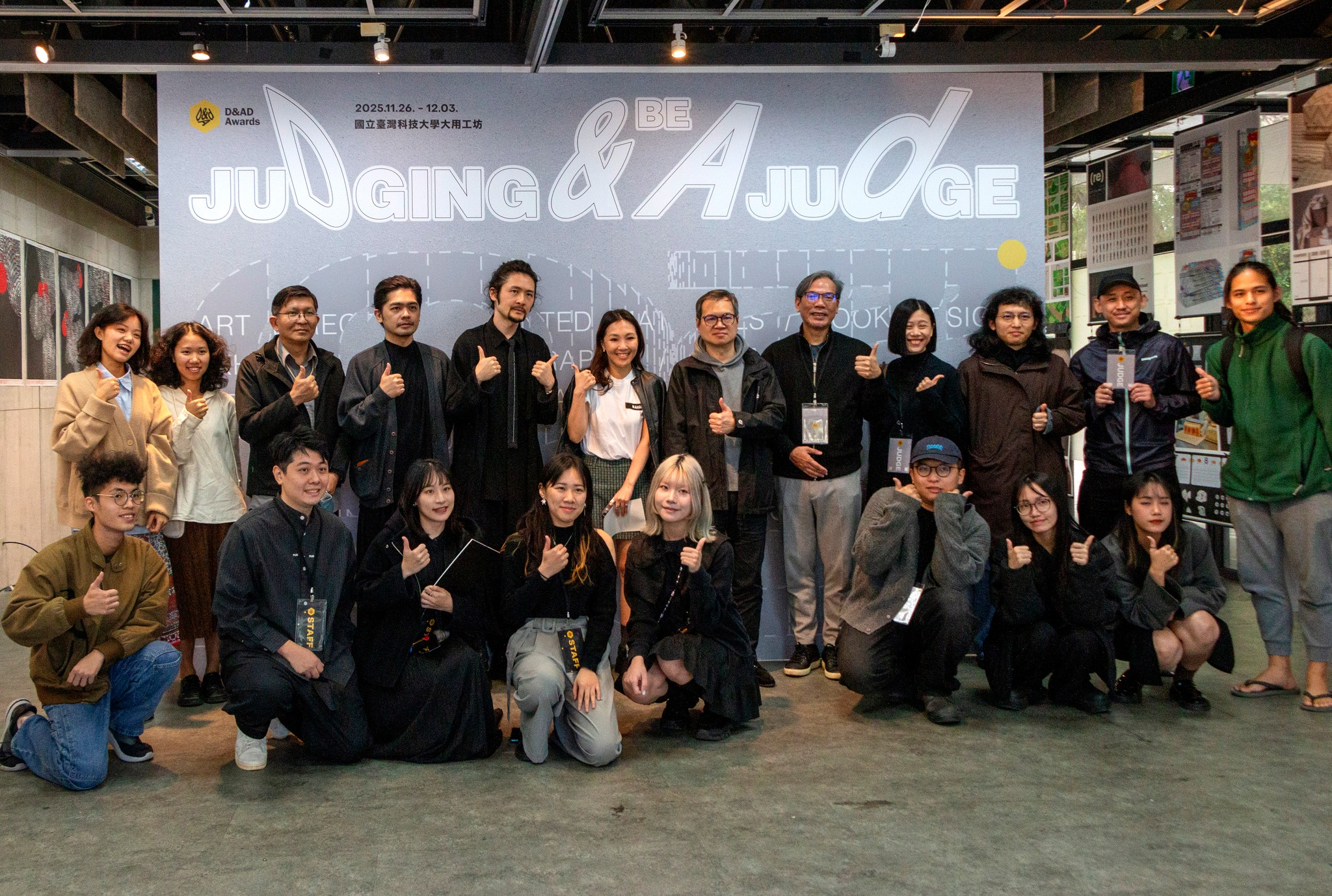
Hosted by the Department of Design at Taiwan Tech, the “2025 D&AD Taiwan Exhibition” was recently held at Taiwan Tech’s Dayong Workshop.
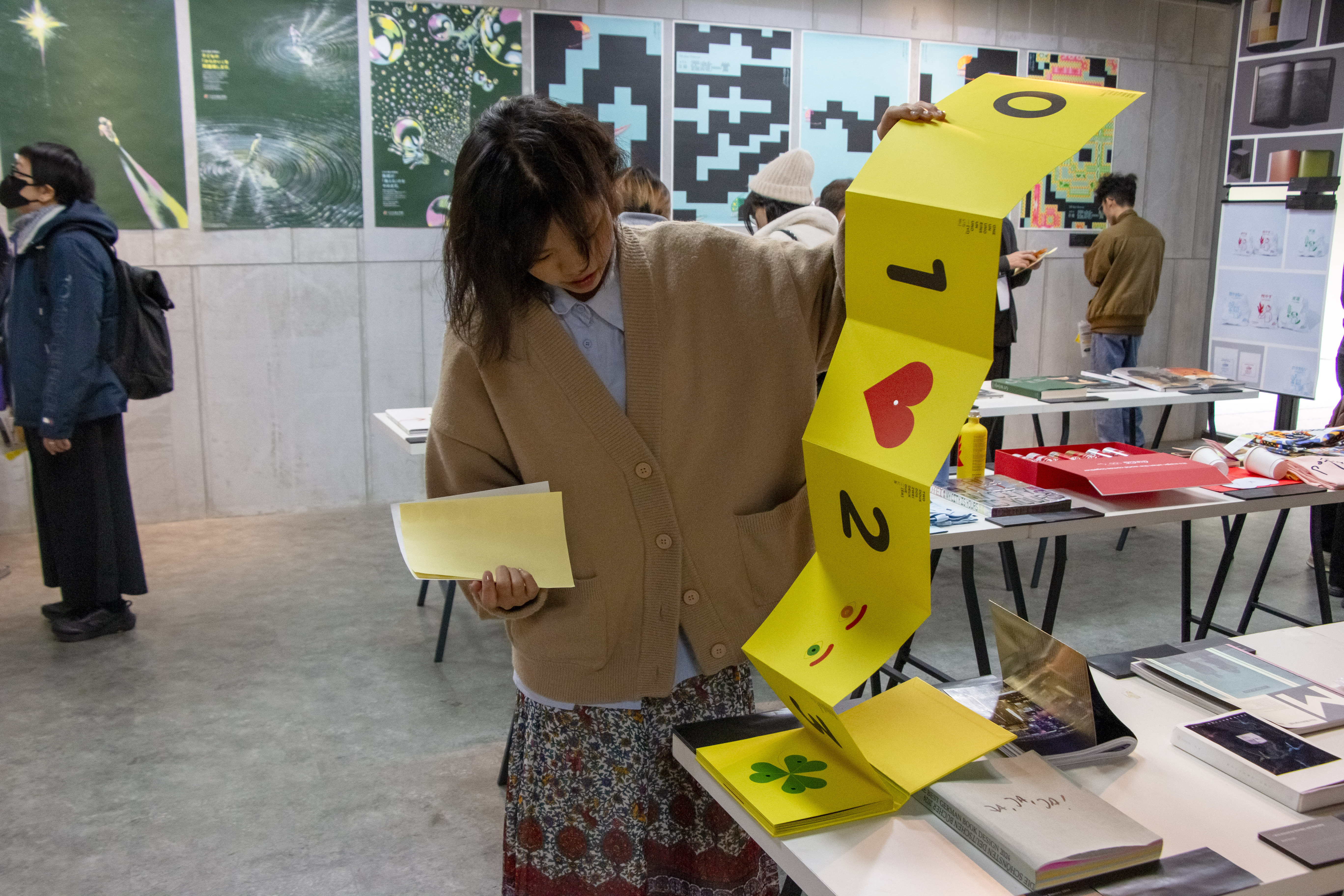
This year’s theme, “Judging & Be a Judge,” uses interactive mechanisms between visitors and the exhibited works to break away from the traditional one-way expert evaluation model, allowing all visitors to personally take part in the judging process.
D&AD is a key bellwether of the global creative industry. Since its establishment in 1962, it has been renowned for its highly prestigious Pencil Awards, including the Wood Pencil, Graphite Pencil, Yellow Pencil, and Black Pencil, which are widely regarded as among the highest honors in international creativity and design. This year, the award-winning works exhibited at Taiwan Tech not only showcase global trends in creativity and design but also, through the “audience-as-judges” approach, enable participants to gain deeper insight into the evaluation logic and creative thinking behind the works.
Ken-Tsai Lee, curator of the D&AD Taiwan Exhibition and professor in the Department of Design at Taiwan Tech, noted that “design should not exist solely in an ivory tower; it should be a collective practice of seeing.” With this in mind, the exhibition adopts intuitive voting and interactive mechanisms, allowing even first-time D&AD visitors to quickly grasp how to observe and evaluate the works, and to develop a deeper understanding and respect for design across a diverse range of projects.
Professor Lee further emphasized that the goal of the exhibition is not for visitors to imitate professional judges, but to understand how judges view design-guiding audiences to pay attention to the motivations, contexts, and reflective thinking behind the works, and ultimately become observers with the ability to perceive, critique, and empathize with design.

Ken-Tsai Lee emphasized that the purpose of the exhibition is not for visitors to imitate professional judges, but to understand how judges view and interpret design. By doing so, the exhibition encourages audiences to pay attention to the motivations, contexts, and reflective thinking behind the works, ultimately fostering in observers the ability to perceive, critique, and empathize with design.
In this exhibition, each visitor receives a specially designed judge’s invitation card and scoring stickers, enabling them to evaluate the works based on their own cultural background, values, and worldview. Through the selection and placement of these stickers, visitors not only participate in the scoring process but also leave tangible traces of their perspectives throughout the exhibition space. The exhibition layout and visitor flow are designed to mirror the professional judging process, allowing audiences to gradually experience the comparisons, deliberations, and choices involved in expert decision-making. In this way, the exhibition becomes an interactive environment centered on observation, discussion, and shared reflection.
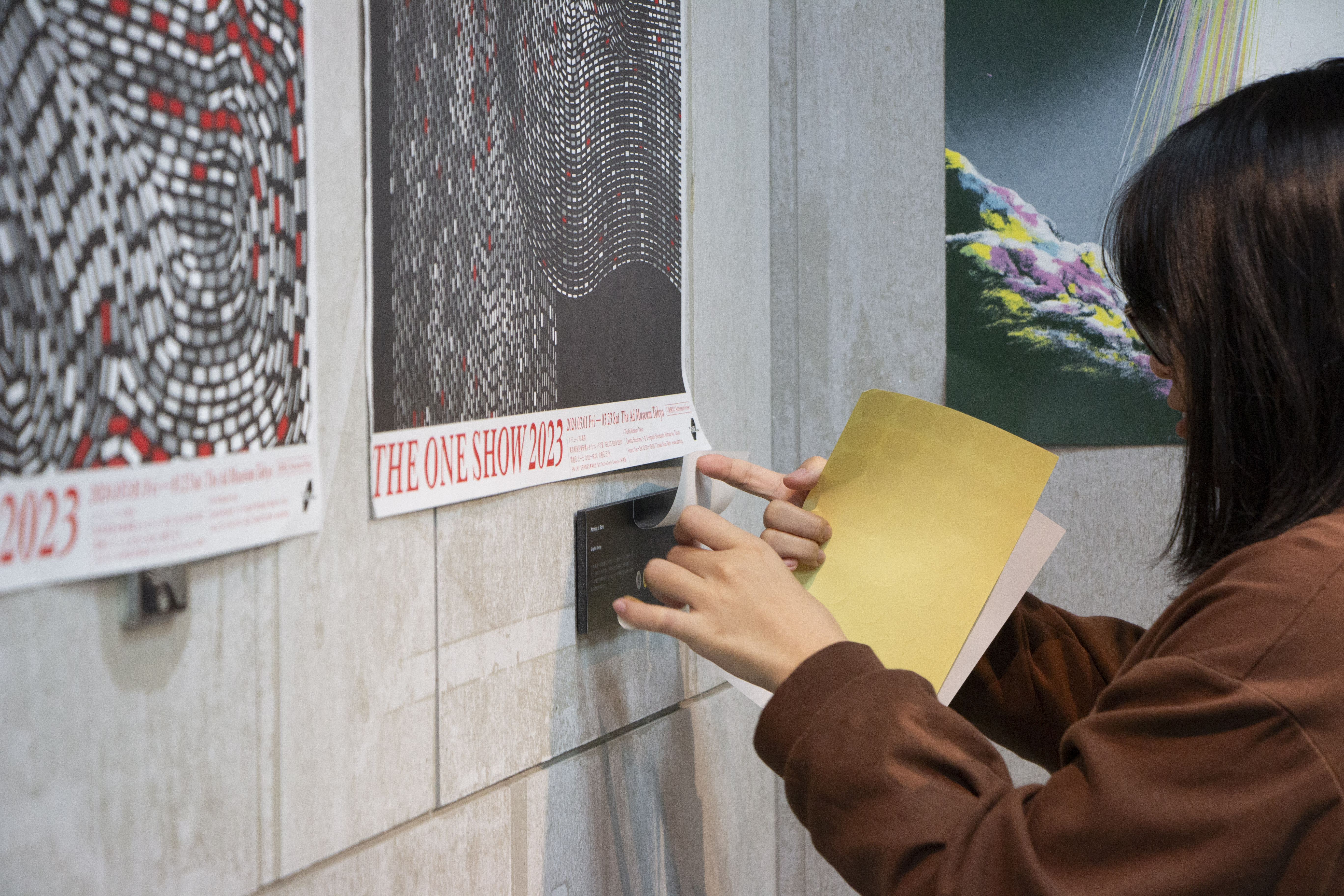
Each visitor receives a specially designed judge’s invitation card and scoring stickers, allowing them to evaluate the works based on their own cultural background, values, and worldview.
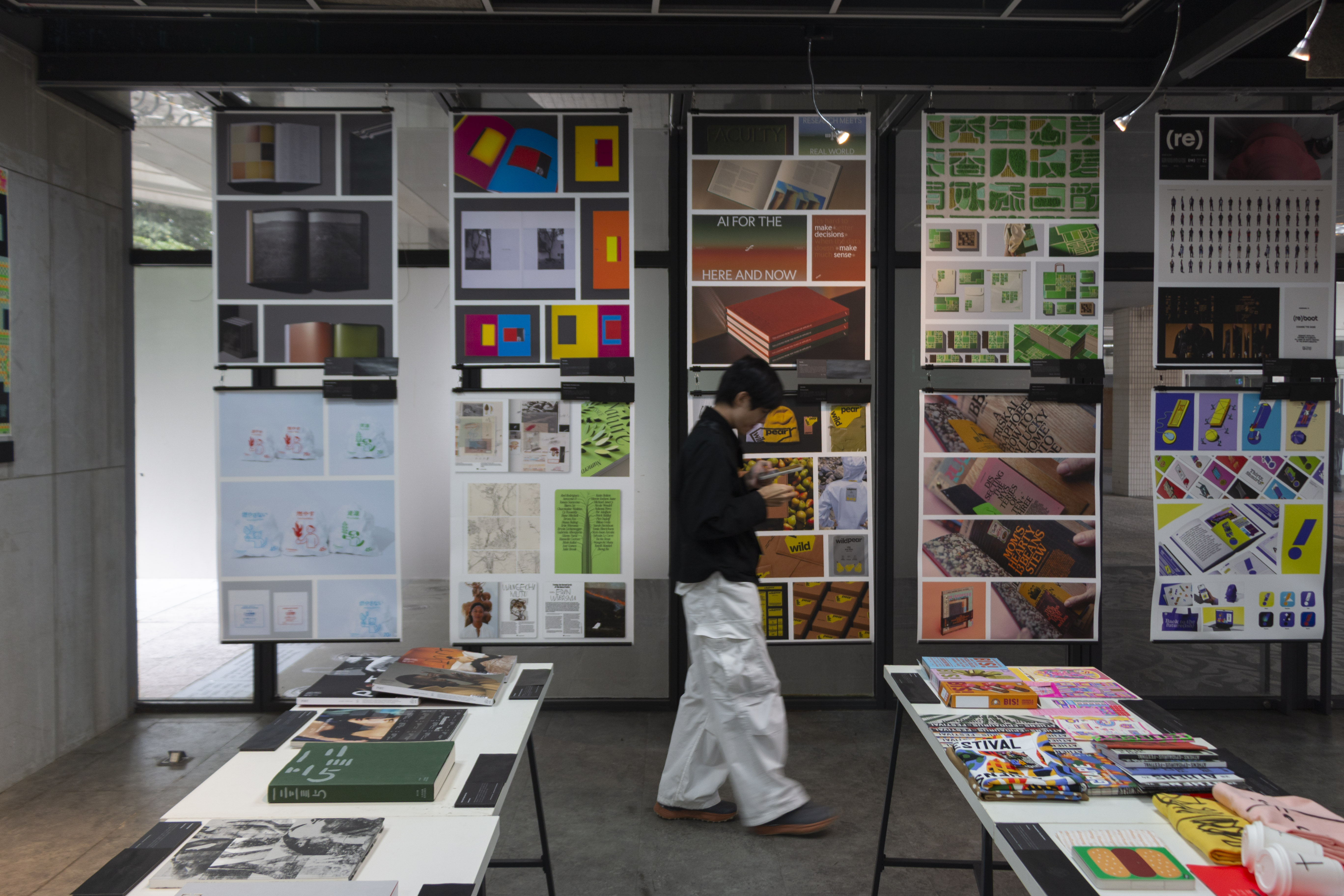
The exhibition layout and visitor flow are designed in accordance with the professional judging process, enabling visitors to progressively experience the comparisons, deliberations, and choices involved in expert decision-making, and transforming the exhibition into an interactive space centered on observation and discussion.
In addition, the exhibition presents the results of “audience scoring” alongside those of “international professional juries,” allowing visitors to immediately compare differences and points of consensus between the two. The curatorial team noted that these differences are precisely where contemporary design becomes most visible and worthy of discussion. “Whether a work receives an award is never defined by a single answer; the audience’s perspectives and interpretations can also bring new meanings and possibilities.”
The “2025 D&AD Taiwan Exhibition” attracted deans and professors from The Hong Kong Polytechnic University, professors from the China University of Technology, professional designers, faculty and students from Taiwan Tech, students from other institutions, and members of the general public, with a total attendance of over 1,000 visits. The exhibition highlights Taiwan Tech’s important role in promoting international design education and creative exchange, while putting into practice the vision of making design education and exhibition formats more open and closely connected to everyday life. Taiwan Tech also looks forward to continued engagement with the global design community to foster deeper exchanges and inspire critical thinking and creative energy among Taiwan’s design students.

Anyone who enters the exhibition and completes the evaluation of the works receives a certificate symbolizing their role as a judge, underscoring that every visitor can redefine the value of the works from their own perspective.