Taiwan Tech and Yonsei University co-host IPAS Symposium to deepen academic exchange.[21 Jan. 2026]
The “4th International Practical Applications Seminar on Electrical Engineering and Computer Science (IPAS 2025),” hosted by the College of Electrical Engineering and Computer Science of Taiwan Tech and co-organized by the College of Engineering of Yonsei University, was held successfully at Yonsei University in South Korea from December 22 to 23, 2025. The seminar brought together faculty members and students from Taiwan Tech and Yonsei University, fostering deeper academic connections in the fields of electrical engineering and computer science through in-person international exchange. The program featured a wide range of activities, including academic presentations, thematic seminars, and laboratory visits at the College of Engineering at Yonsei University, allowing participants to gain firsthand insight into the latest research achievements and practical applications. The seminar program included keynote speeches, oral paper presentations, poster exhibitions, and poster competitions, focusing on research outcomes in artificial intelligence, advanced computing architectures, information and communication systems, intelligent applications, and chip design, while promoting research interaction and experience sharing among faculty and students from both institutions.
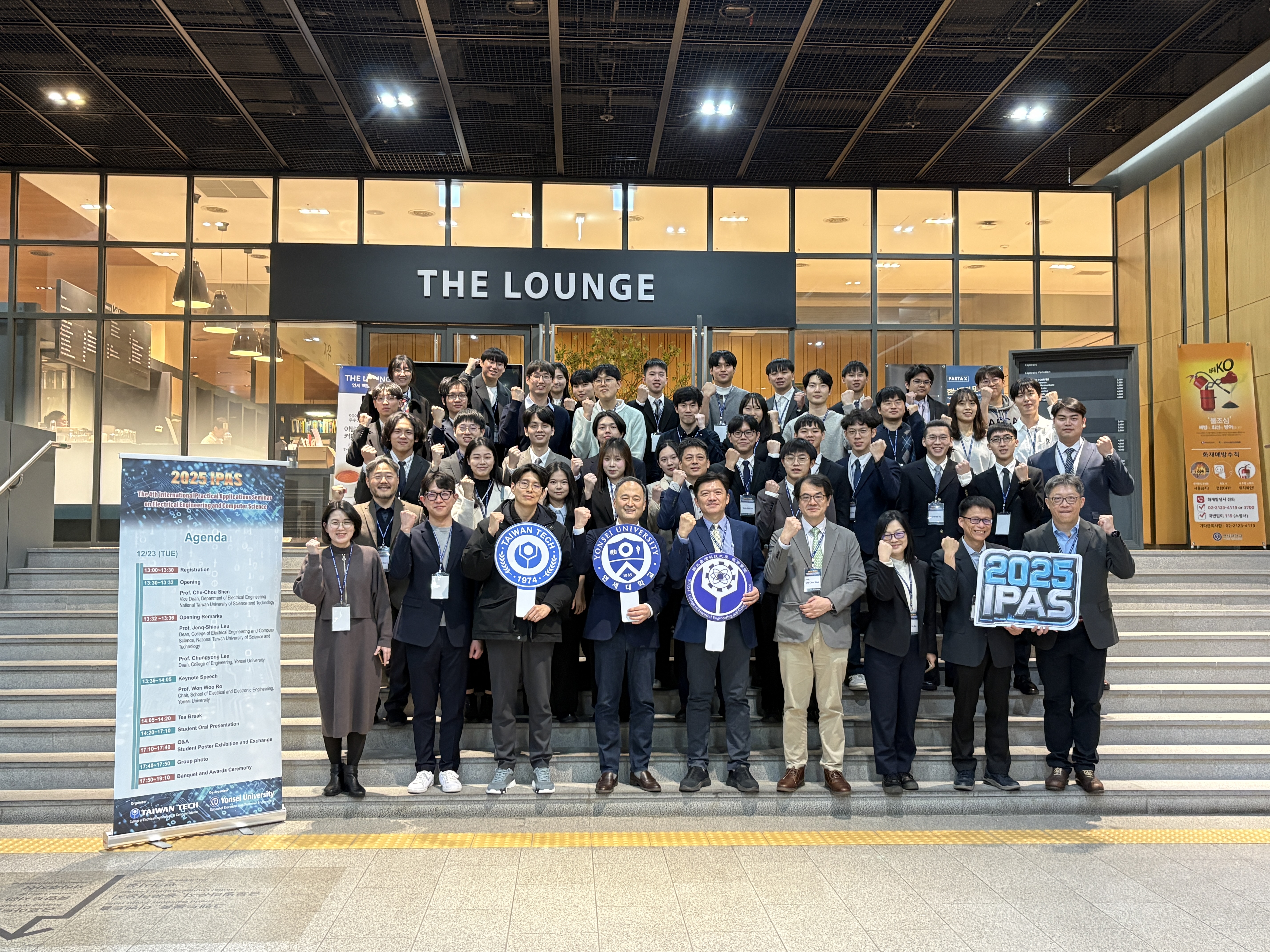
Group photo of participating faculty members, students, and guests from Taiwan Tech and Yonsei University.
The seminar specially invited Professor Woo Ro Won, Chair of the Department of Electrical and Electronic Engineering at Yonsei University, to deliver a keynote speech titled “The Evolution of Hardware Computing Power: From CPU, GPU, and NPU to QPU.” Beginning with traditional central processing units (CPUs), the lecture explained the critical role of graphics processing units (GPUs) in parallel computing and deep learning, and further analyzed the application advantages of neural processing units (NPUs) and quantum processing units (QPUs) in artificial intelligence and edge computing, providing participants with forward-looking technological perspectives.
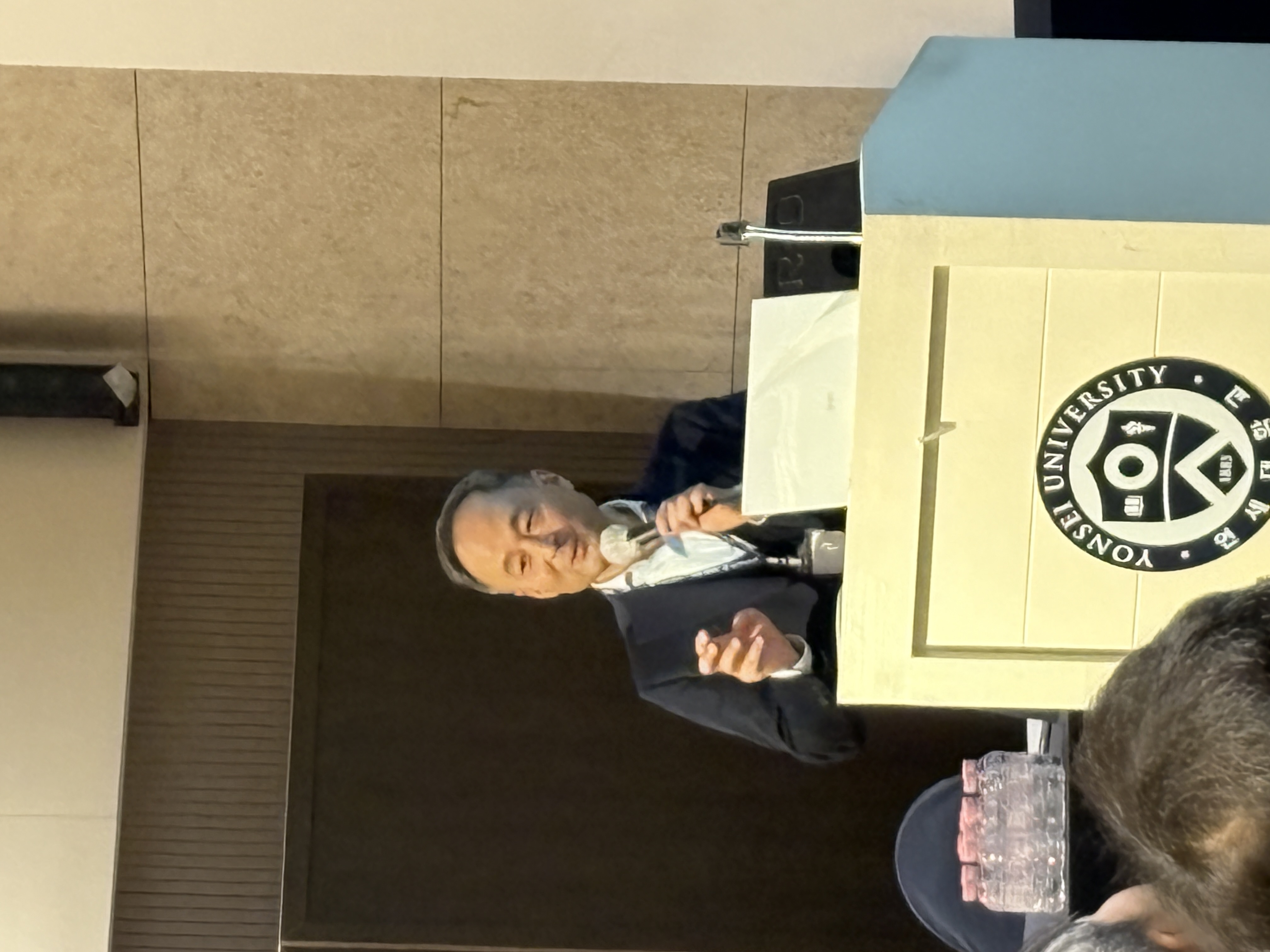
Keynote speech by Professor Won Woo Ro of Yonsei University, South Korea.
Registration for this seminar was highly enthusiastic. The College of Electrical Engineering and Computer Science of Taiwan Tech categorized participants into presentation, study visit, and observation groups, and selected outstanding students for each category. Among them, the study visit group comprised primarily first-year students from the college's International Bachelor’s Program in Information and Communication Technology. This program lists “international academic training” as a required component and encourages students to participate in international conferences and overseas academic activities through on-site engagement to cultivate professional competence and global perspectives. This visit to Yonsei University served as an essential practical implementation of the program’s curriculum design.
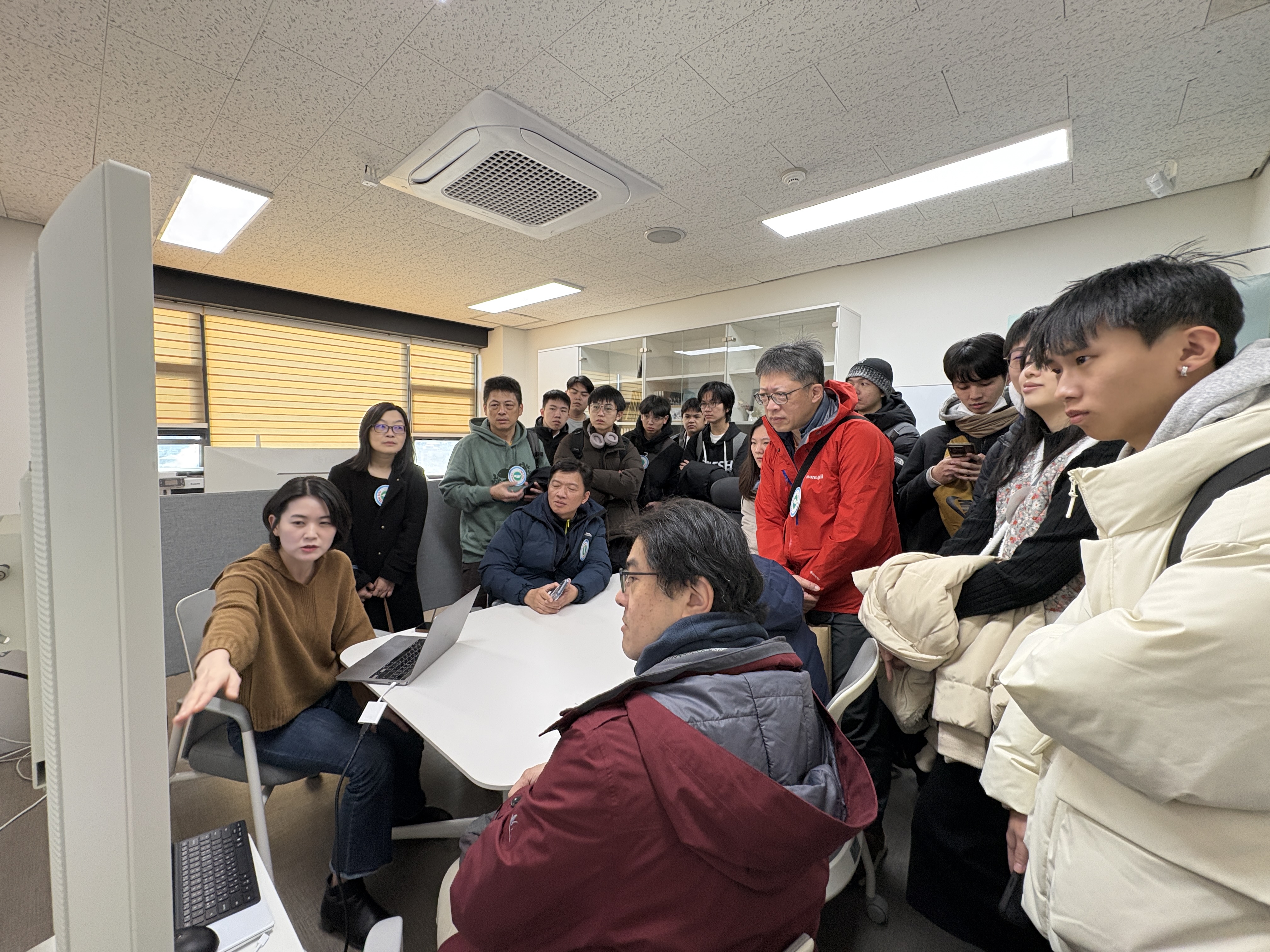
Faculty and students from Taiwan Tech are visiting laboratories at Yonsei University and listening to related briefings.
All seminar sessions were conducted in English, in line with the College of Electrical Engineering and Computer Science’s EMI (English as a Medium of Instruction) teaching policies. Students not only listened to keynote speeches and academic presentations in English, but also asked questions and participated in discussions in English, applying the professional English skills developed in their coursework and further strengthening their ability to communicate academically in international settings.
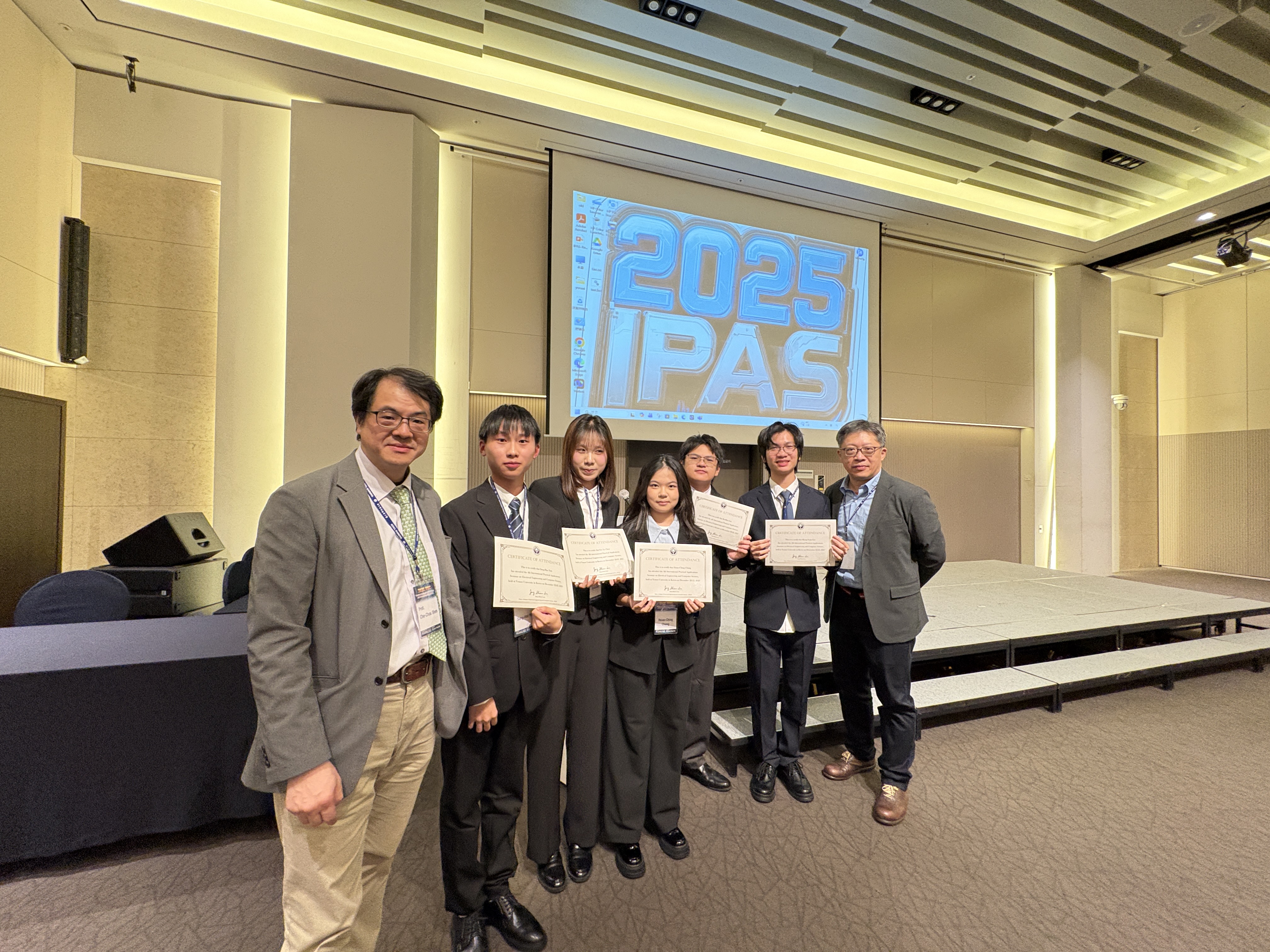
Group photo of first-year students from the International Bachelor’s Program in Information and Communication Technology of Taiwan Tech attending the seminar.
Dean Jenq-Shiou Leu of the College of Electrical Engineering and Computer Science at Taiwan Tech stated that the International Practical Applications Seminar (IPAS), now in its fourth edition, has gradually become a landmark international exchange platform in electrical engineering and computer science. Through deeper collaboration with the College of Engineering of Yonsei University this year, the seminar not only expanded the depth and breadth of academic cooperation between the two universities, but also created an international learning environment that integrates theory, research, and practice for students. By participating in an all-English (EMI) teaching and international academic exchange setting, students can steadily build international research experience and academic communication skills, thereby enhancing their global mobility and forward-looking competitiveness.
It is also worth noting that Hsiao-Ching Chang, a first-year student from the International Bachelor’s Program in Information and Communication Technology who participated in an international academic seminar for the first time as an undergraduate, shared that during the event she not only listened in person to keynote speeches by internationally renowned scholars and observed diverse research results, but also visited the Yonsei University campus and research facilities. This experience not only broadened her professional horizons, but also substantially improved her English interaction skills and cross-cultural communication ability. The rich and rewarding learning experience provided her with clearer direction for her future research interests.
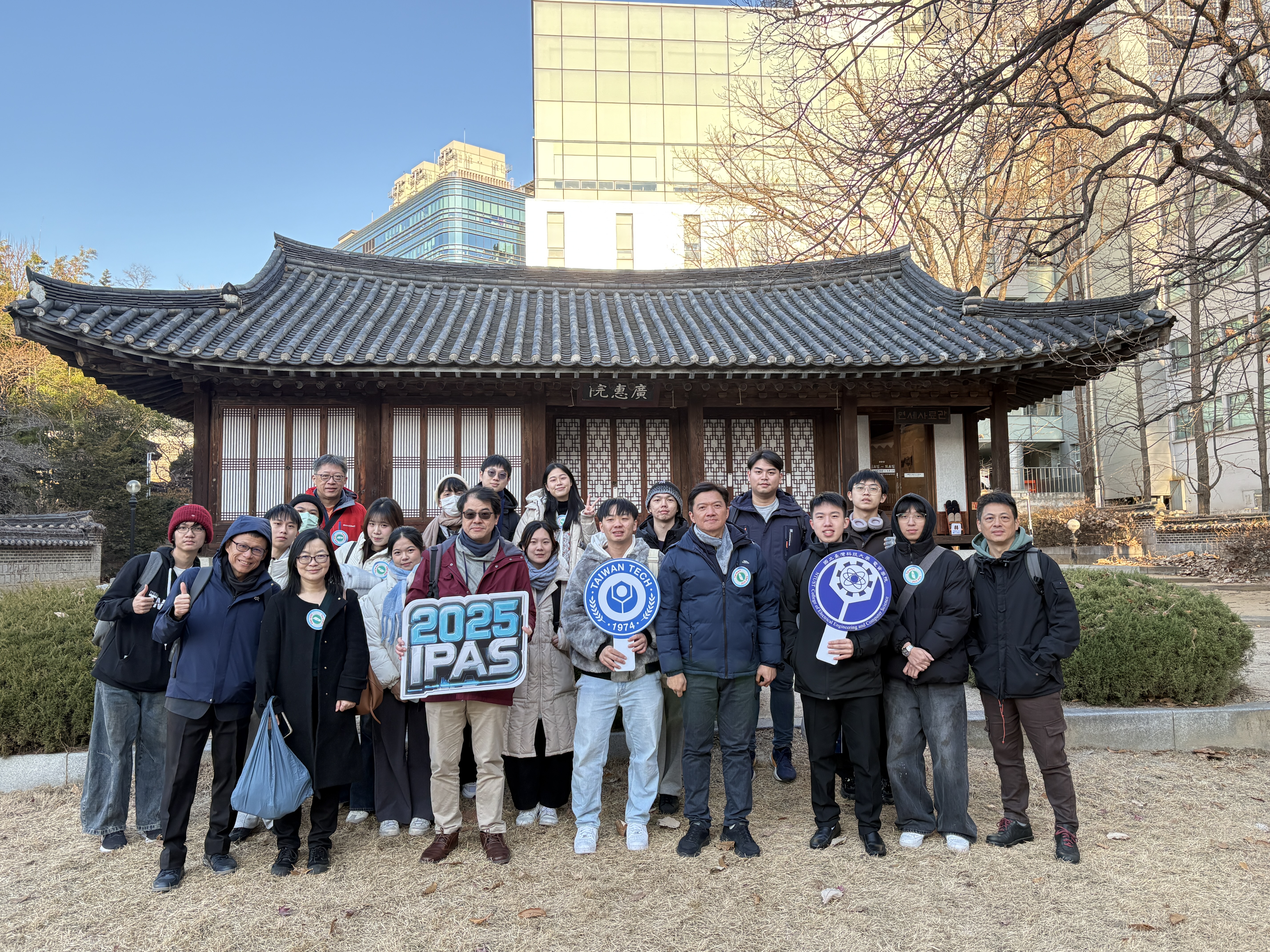
Students from Taiwan Tech are visiting Gwanghyewon, a historic landmark building at Yonsei University.