Taiwan Tech PhD student wins Google East Asia Fellowship for AI-powered medical imaging analysis.[2 Feb. 2026]
Doctoral student Zolnamar Dorjsembe from the Department of Computer Science and Information Engineering, College of Electrical Engineering and Computer Science at Taiwan Tech, has distinguished herself among top graduate students worldwide with her research achievements in applying artificial intelligence (AI) and computer vision technologies to medical imaging. She has been awarded the “2025 Google East Asia PhD Fellowship” and will receive research mentorship from the Google Health team to further refine related technologies and research methodologies and to advance her subsequent research development.
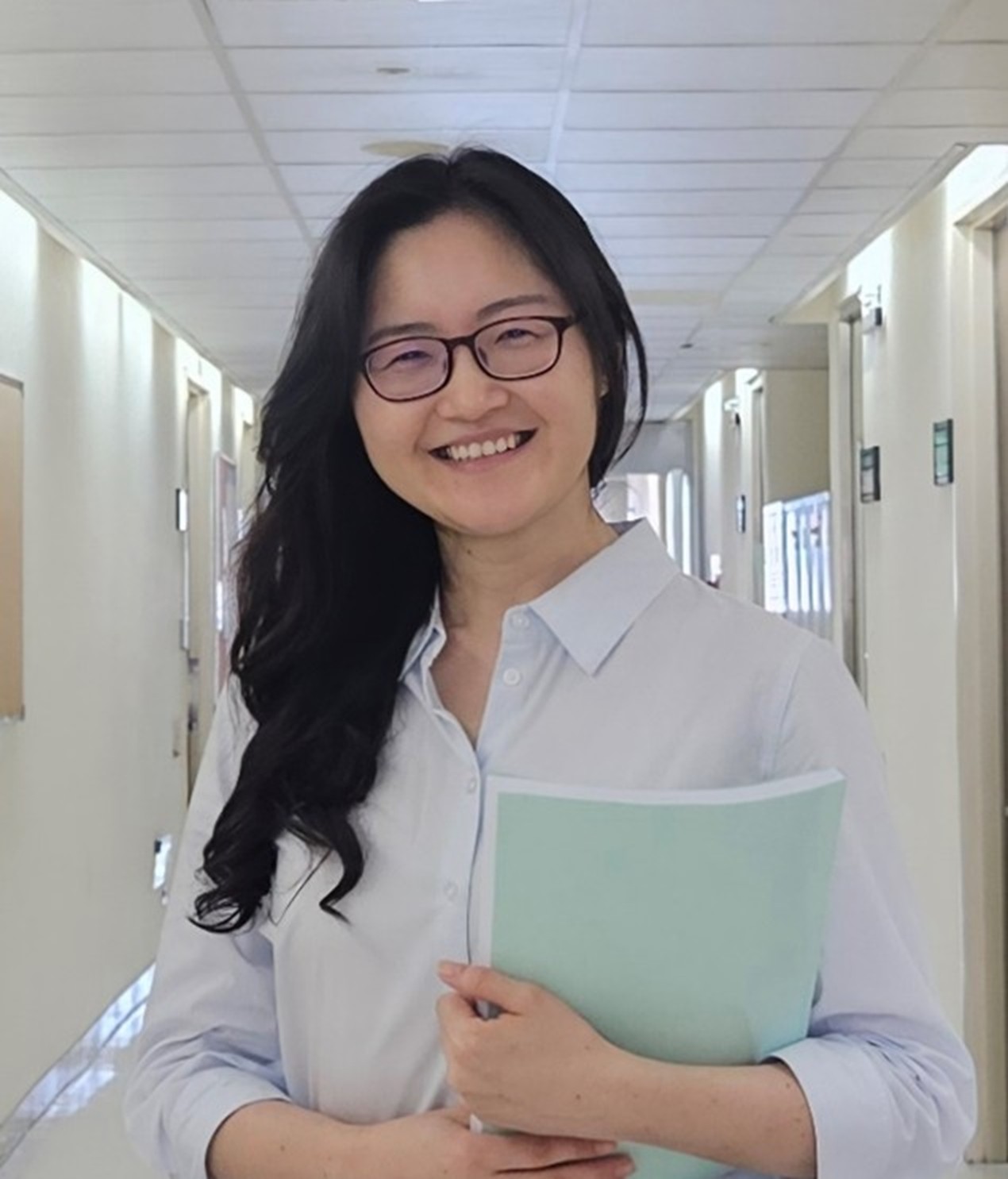
Doctoral student Zolnamar Dorjsembe from the Department of Computer Science and Information Engineering at Taiwan Tech has been selected as a recipient of the 2025 Google East Asia PhD Fellowship and is committed to developing clinically applicable AI medical imaging interpretation and analysis tools.
Zolnamar’s research focuses on integrating AI and computer vision technologies into medical image analysis and clinical radiological diagnosis. Centered on real-world healthcare needs, she is dedicated to developing AI medical imaging interpretation and analysis tools that can be implemented in clinical practice. She hopes her research outcomes will not merely remain at the level of algorithmic performance, but will be effectively integrated into medical workflows to assist healthcare professionals in improving diagnostic efficiency and accuracy, thereby generating tangible benefits.
Originally from Mongolia, Zolnamar came to Taiwan in 2020 as a recipient of a Taiwan Ministry of Education scholarship to pursue a master’s degree in the Department of Computer Science and Information Engineering at Taiwan Tech. Under the supervision of Professor Hsing-Kuo Pao, she demonstrated strong research potential and was subsequently supported by a university scholarship to pursue direct admission into the doctoral program. As her research progressed, she gradually realized that for AI to be practically applied in clinical settings, an engineering background alone was insufficient; researchers must further understand clinical workflows and practical medical needs. Therefore, during her doctoral studies, she simultaneously enrolled at National Taiwan University to pursue a master’s degree in Medical Devices and Medical Imaging, undertaking cross-university and interdisciplinary dual-track training.
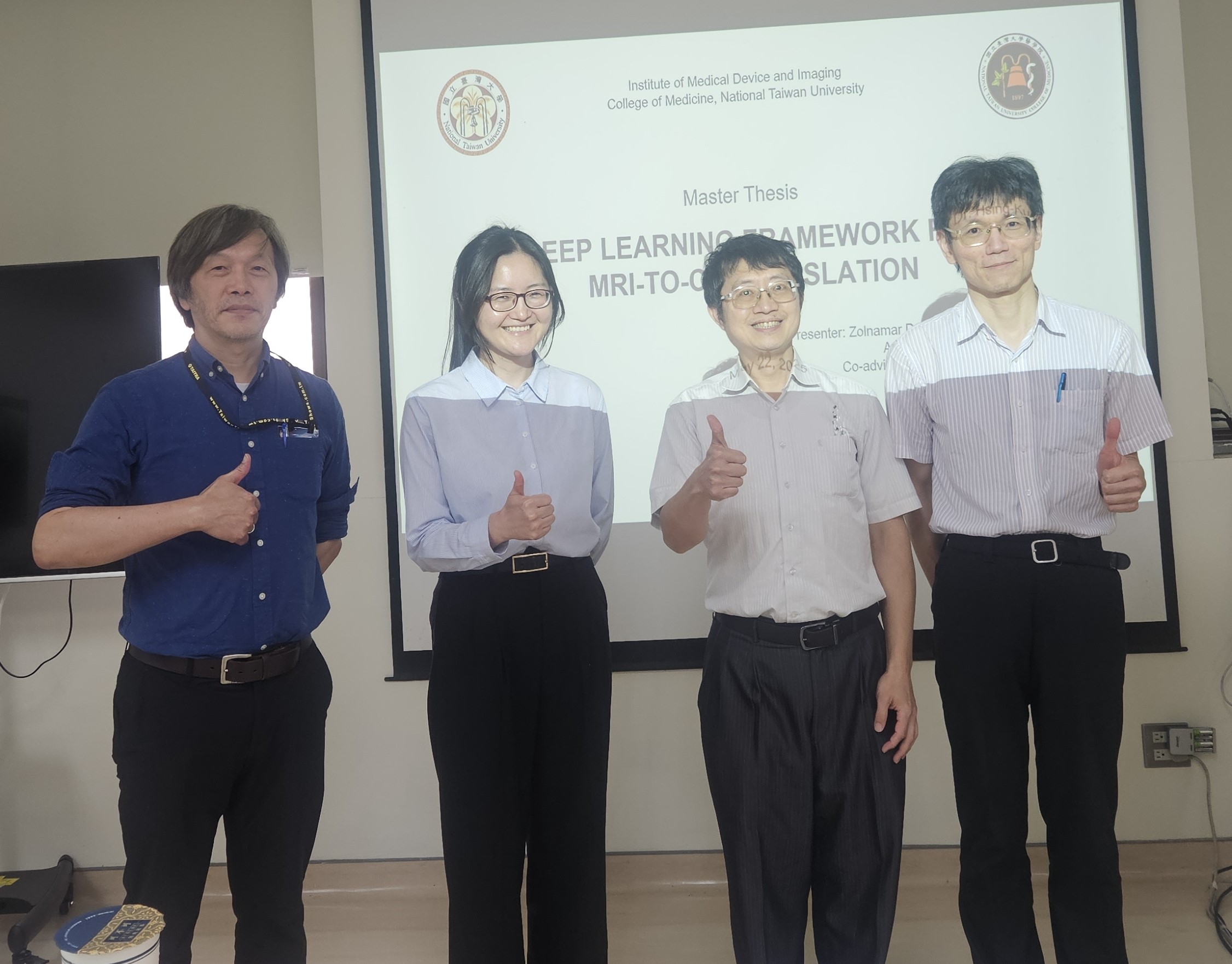
Zolnamar (second from left) expressed her gratitude to her advisor Professor Hsing-Kuo Pao (first from left) and Associate Professor Fu-Jen Hsiao (first from right) for their encouragement, which enabled her to bridge the fields of engineering and medicine, engage in the study of medical imaging and clinical expertise, and further deepen her research capabilities.
Through the integrated study of engineering and medicine, Zolnamar has been able to incorporate clinical perspectives into the design of AI algorithms, bringing her research closer to the practical contexts in which healthcare professionals operate, while also enhancing the feasibility and stability of the technology in real-world applications. She noted that the open and interdisciplinary research environment at National Taiwan University of Science and Technology has allowed her to absorb knowledge from both engineering and medicine, which has become an important foundation for receiving this award.
Professor Hsing-Kuo Pao stated that Zolnamar’s willingness to step beyond her original engineering background and engage in the study of medical imaging and clinical expertise demonstrates a high level of self-discipline and research enthusiasm. “This award not only recognizes her efforts, but also demonstrates that Taiwan Tech’s research in the integration of AI and healthcare is gaining international recognition.”
The Google East Asia PhD Fellowship aims to support doctoral students in computer science and related fields who demonstrate research potential and innovative capability, and it is one of the internationally recognized flagship doctoral fellowship programs. Regarding the award, Zolnamar stated that the support from Google has greatly encouraged her and reminded her of the responsibility she bears in advancing research. In the future, with the assistance of a research mentor matched by Google, she will continue to deepen her research and move toward developing AI medical models that better meet clinical practice needs and possess practical application value.
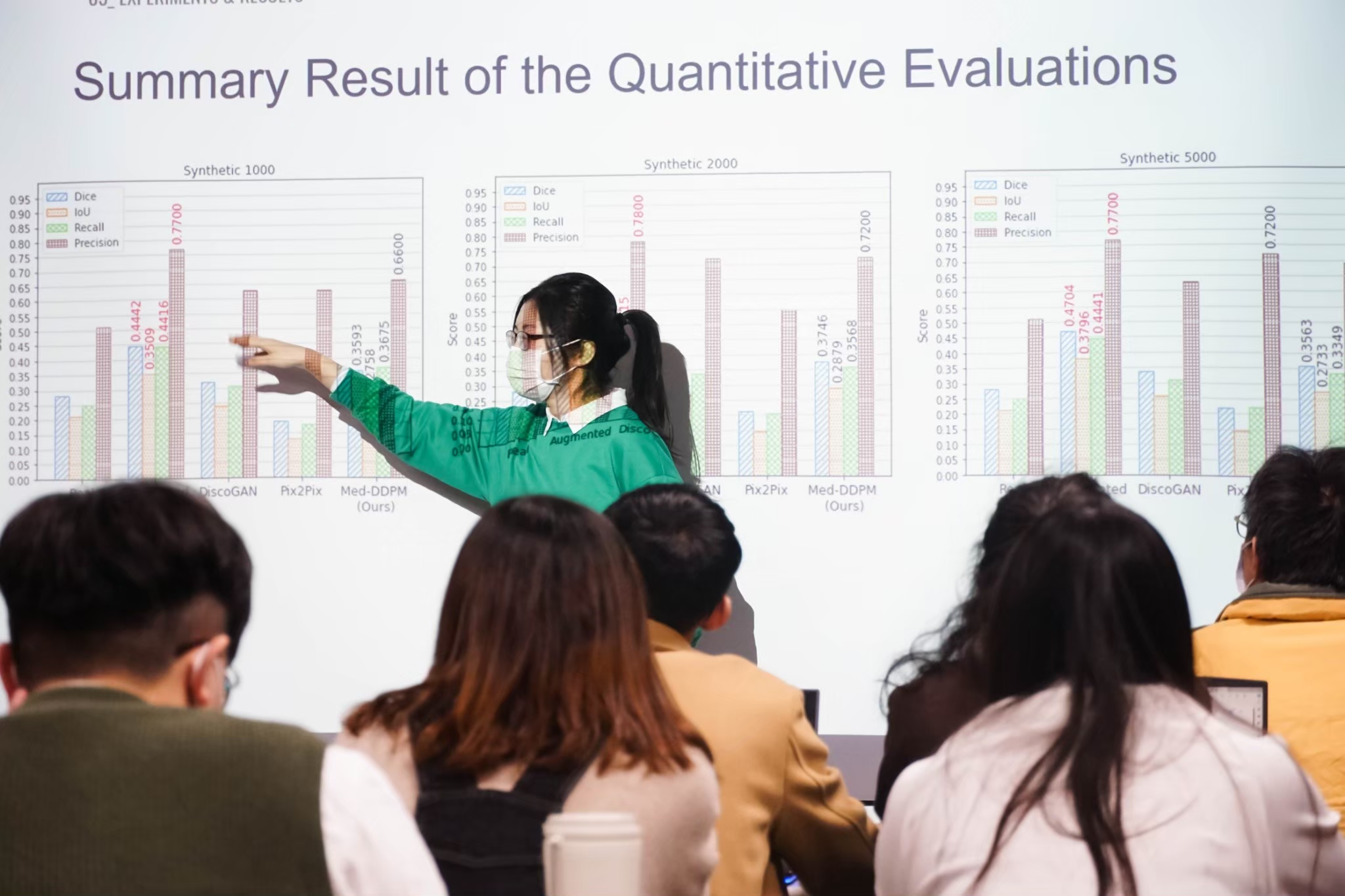
Through the integrated study of engineering and medicine, Zolnamar incorporates clinical perspectives into AI algorithm design, bringing her research closer to the practical contexts of healthcare professionals and enhancing the feasibility and stability of the technology in real-world applications.
Currently in the fourth year of her doctoral program, Zolnamar also shared her personal experience. She noted, “Research progress takes time, but consistent effort accumulates meaningful results.” She advises students to remain focused, allow research outcomes to accumulate over time, and be courageous in pursuing interdisciplinary learning to broaden their perspectives and enhance research quality. In addition, students should proactively seek guidance from good mentors and remain open to feedback.
Regarding why she chose to pursue her master’s degree at Taiwan Tech, Zolnamar explained that when she decided to pursue advanced studies in Taiwan, she hoped to find the most suitable environment for her research direction. She prayed to Jesus for guidance and, when searching for “the top-ranked university in computer science in Taiwan”, discovered Taiwan Tech. After browsing the official website, she identified with the university’s academic environment and resources and resolutely submitted her application.
After completing her master’s degree, Zolnamar chose to remain at Taiwan Tech to continue her doctoral studies and to extend her established research direction under the guidance of the same professor, continuously advancing her research in AI and medical imaging. Today, Taiwan has become Zolnamar’s second home, and she hopes to use her experience to encourage more local and international students to courageously pursue and realize their goals.
Dean Jenq-Shiou Leu of the College of Electrical Engineering and Computer Science at Taiwan Tech stated that Zolnamar’s receipt of the Google East Asia PhD Fellowship demonstrates her professional strength in artificial intelligence and medical imaging research and also highlights the university’s international research capacity in artificial intelligence, data science, and smart healthcare. In the future, National Taiwan University of Science and Technology will continue to promote interdisciplinary research and talent cultivation to nurture globally competitive technology professionals.
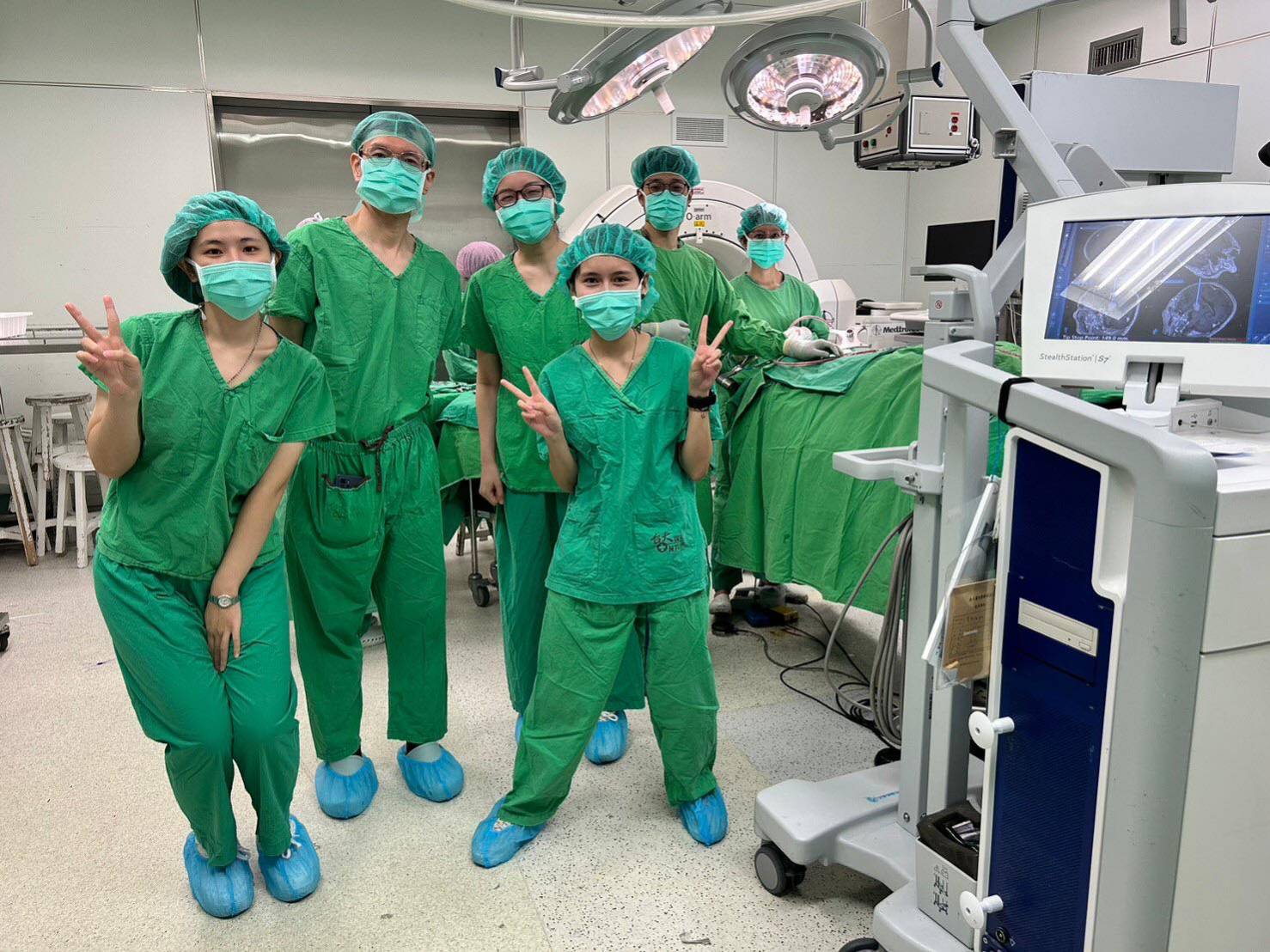
During her doctoral studies, Zolnamar (second from left, back row) simultaneously pursued a master’s degree in Medical Devices and Medical Imaging at National Taiwan University, undertaking cross-university and interdisciplinary dual-track training. The photo shows Zolnamar attending related courses at NTU.